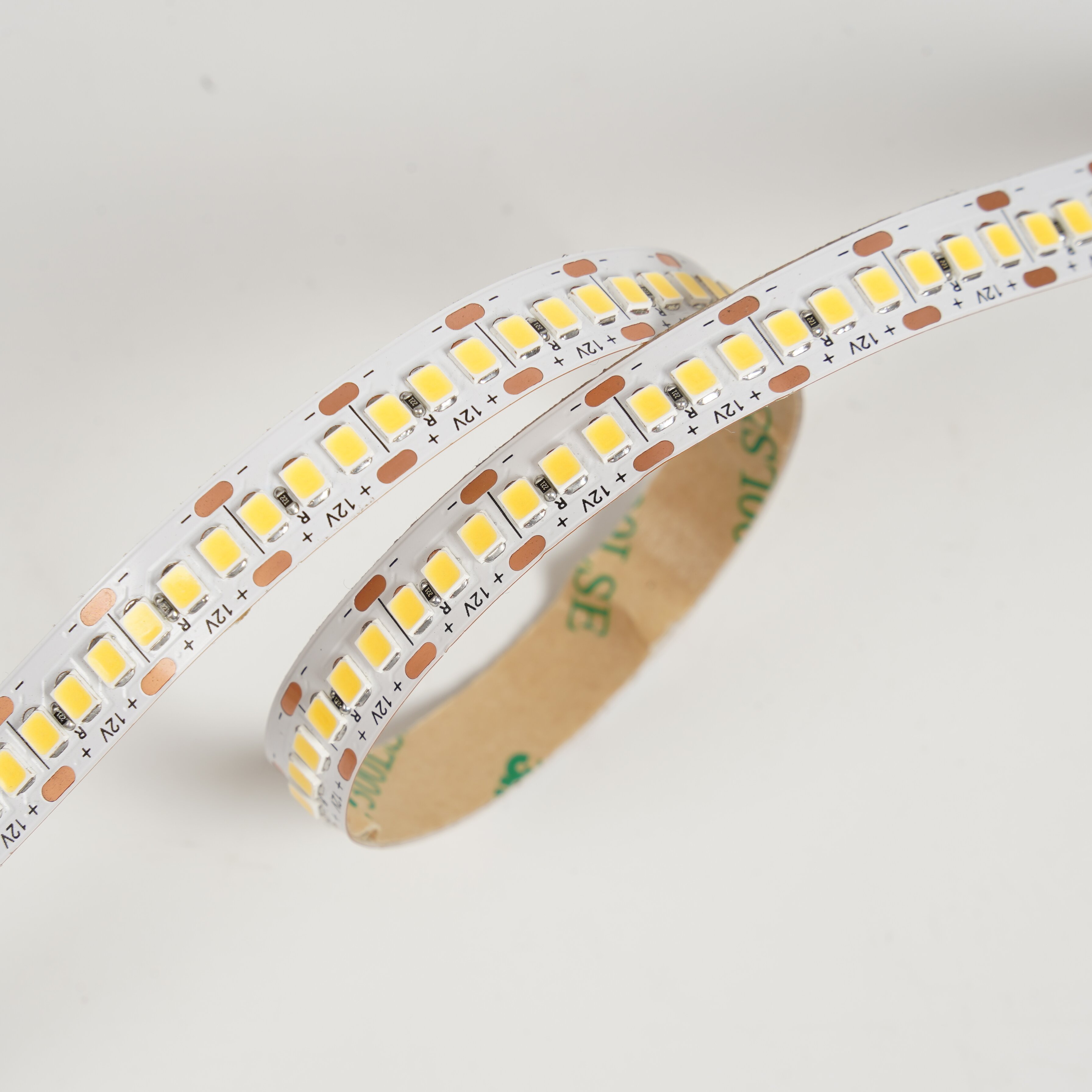
IP ratings, also known as Ingress Protection ratings, basically tell us how well something protects against dust and water getting inside. When looking at silicone LED strips for outdoor use, these numbers matter a lot because they show just how tough the product really is when exposed to harsh weather conditions. Let's break it down: The first number ranges from 0 to 6 and tells us about dust protection. A rating of 6 means absolutely no dust can get in at all. The second number goes from 0 to 9K and relates to water resistance. IP65 means it can handle light rain or splashing water from any angle. IP67 products stay protected even if submerged temporarily in water up to about a meter deep for half an hour. And then there's IP68 which takes things further by allowing continuous underwater operation according to what the manufacturer specifies, usually deeper than one meter. Understanding these differences helps buyers pick the right LED strip for their specific installation needs, whether it's along a garden path or mounted on a building facade facing all kinds of weather.
Silicone encapsulation gives IP68 level protection because of how its molecules are structured and how it's processed. When applied, this material creates a smooth, bendy cover that sticks really well to LED parts. Even when there's movement or temperature changes happen, the seal stays intact. The material naturally pushes away water thanks to its water-repelling properties. Plus, it has memory so it can squish down and spring back up again without breaking apart when pressure shifts around. Regular hard cases tend to crack over time, but silicone handles expansion and contraction from heat much better. This means no tiny gaps form where moisture might sneak in. Research shows that these silicone coatings block almost all dust particles (about 99.9%) and keep things dry even after being underwater for extended periods. These features make them ideal for getting those top IP ratings needed for lights used outdoors where weather conditions can be unpredictable.
The field shows some pretty big gaps between IP-rated silicone LED strips and those without protection. Take coastal areas for example. After about a year in salt spray conditions, IP68 rated strips still work at around 98% capacity. But non-IP rated ones typically stop working completely within just three months because of all the corrosion from salt water. The same kind of thing happens in factories too. IP67 rated strips hold up against dust buildup while regular strips usually fail after about half a year when they get clogged. Looking at what the IEC says about IP ratings, tests actually show that these silicone coated LED strips can last roughly four times longer than their unprotected counterparts when put through similar tough conditions. That explains why so many professionals insist on IP ratings when looking for something that will keep working reliably over time.
Silicone LED strip protection systems deliver unmatched durability when exposed to harsh environmental stressors, maintaining structural and optical integrity where other materials fail.
Silicone tubing stays pliable even when temperatures swing wildly between -60 degrees Celsius and well above 200 degrees Celsius. Rubber and PVC just don't cut it in these conditions they either turn brittle in the cold or warp when exposed to heat. The way silicone handles these temperature extremes means it won't crack after repeated freeze thaw cycles, making it work reliably whether installed somewhere icy or scorching hot. For companies dealing with outdoor LED installations around the world, this kind of durability matters a lot since many regions experience temperature swings of more than 100 degrees annually. Silicone keeps performing consistently without breaking down over time despite all those temperature changes.
The way silicone molecules are put together gives it natural protection against UV damage, which means it doesn't turn yellow or get brittle like those PVC and epoxy coatings do over time. Lab tests accelerated the aging process and found that top quality silicone stops around 98% of harmful UVB rays for about 10,000 hours. That's roughly three times better than what regular rubber coatings can handle. What makes this really important is how it keeps things looking clear and maintains good light transmission. For anyone who has installed LED strips outside, this matters a lot because the lights stay bright and colors don't fade even after sitting out in the sun for years on end.
Silicone's cross linked polymer structure makes it highly resistant to things that normally break down other materials over time. We're talking about stuff like oxidation, ozone exposure, and those annoying cracks that appear when materials get stressed by their environment. Take PVC for instance it tends to get all brittle after a while. Epoxy isn't much better either, developing tiny cracks when exposed to temperature changes again and again. But silicone? This material stays strong and flexible even after sitting outside for 15 to 20 years. Want proof? Try bending it back and forth at 180 degrees hundreds of times the waterproof seal still holds up. That kind of durability means equipment made with silicone lasts longer between repairs, saving money on maintenance in the long run.
Silicone tubes act like a flexible shield for LED strips, keeping them safe from water damage, dirt buildup, and those nasty corrosive substances we all hate. The material naturally pushes away water thanks to its water-repelling properties, and stays stuck to surfaces no matter what happens when temperatures go up or down. We've seen this work wonders in places near the ocean where salt air gets into everything eventually. Regular plastic covers just don't hold up against that kind of stuff. What makes silicone so great is how it keeps forming that continuous protection layer around the LEDs, stopping rust from developing and preventing short circuits that happen when foreign materials get inside. Most electricians will tell you this is one of the best ways to extend the life of outdoor lighting installations.
Testing by third parties shows how well silicone LED strips perform when pushed to their limits. When put through accelerated salt fog testing according to ASTM B117 standards, the silicone protected strips didn't show any signs of corrosion or loss in electrical function even after spending 1000 hours in the test chamber. That kind of endurance translates to many years of actual use along coastlines where salt air can wreak havoc on electronics. Real world tests conducted in various industrial areas also back this up, showing that the lights maintain their brightness and water resistance even when exposed to harsh chemicals and lots of dust particles floating around. All these findings point to why silicone remains a top choice for important installations like those found on ships at sea or in factories where lighting must work reliably without fail day after day.
Silicone stays flexible even when temperatures swing from really cold (-40 degrees Celsius) all the way up to 200 degrees Celsius. This means it works great on curved surfaces and can handle vibrations without breaking down over time. The material adapts well to places where things get hot then cool down repeatedly throughout the day. Epoxy coatings tell a different story though. They tend to become brittle when exposed to sunlight for long periods and break apart under regular wear and tear. After going through expansions and contractions multiple times, cracks start appearing pretty quickly. Then there's PVC. While it feels nice and pliable at first glance, most outdoor installations show signs of deterioration somewhere between one and a half years later. The material loses its softness and starts falling apart, particularly noticeable in areas with constant movement or adjustments happening regularly.
When we tested different materials, some pretty obvious problems stood out. PVC starts to break down quickly when exposed to sunlight, turning yellow and getting really brittle within about 12 to 18 months. The material becomes much weaker too, with tear resistance dropping around 60% compared to silicone. Epoxy isn't much better either. After only 20 to 30 freeze-thaw cycles, it begins developing tiny cracks that get worse over time. These cracks let moisture in and eventually ruin the seal completely. Looking at lab results tells us why this happens. Epoxy gets too rigid, which actually weakens the seal, while PVC's polymer structure literally falls apart under constant UV light. Silicone stands out as the clear winner though. Even after going through over 200 temperature changes and being hit with UV radiation constantly, it still keeps more than 90% of its original flexibility and stays crystal clear. This makes sense from a molecular perspective and explains why silicone lasts so much longer in real world conditions.
Silicone LED strips do cost about 25 to 40 percent more initially than PVC or epoxy options, but they last much longer which actually saves money over time. According to industry reports, these silicone protected lights can handle tough environments for around five to seven years before needing replacement. That's quite a contrast when looking at PVC versions that typically last only one to three years, and epoxy coated ones that manage two to four years at best. When we look at what happens over ten years, businesses end up spending about 60% less on replacements and repairs with silicone strips. Another benefit worth mentioning is how well silicone keeps LEDs performing. In damp areas where other materials struggle, silicone maintains about 15 to 20% better brightness than epoxy coated strips. This means lights stay bright without flickering or dimming, something that matters a lot for commercial spaces where good visibility is essential.
 EN
EN