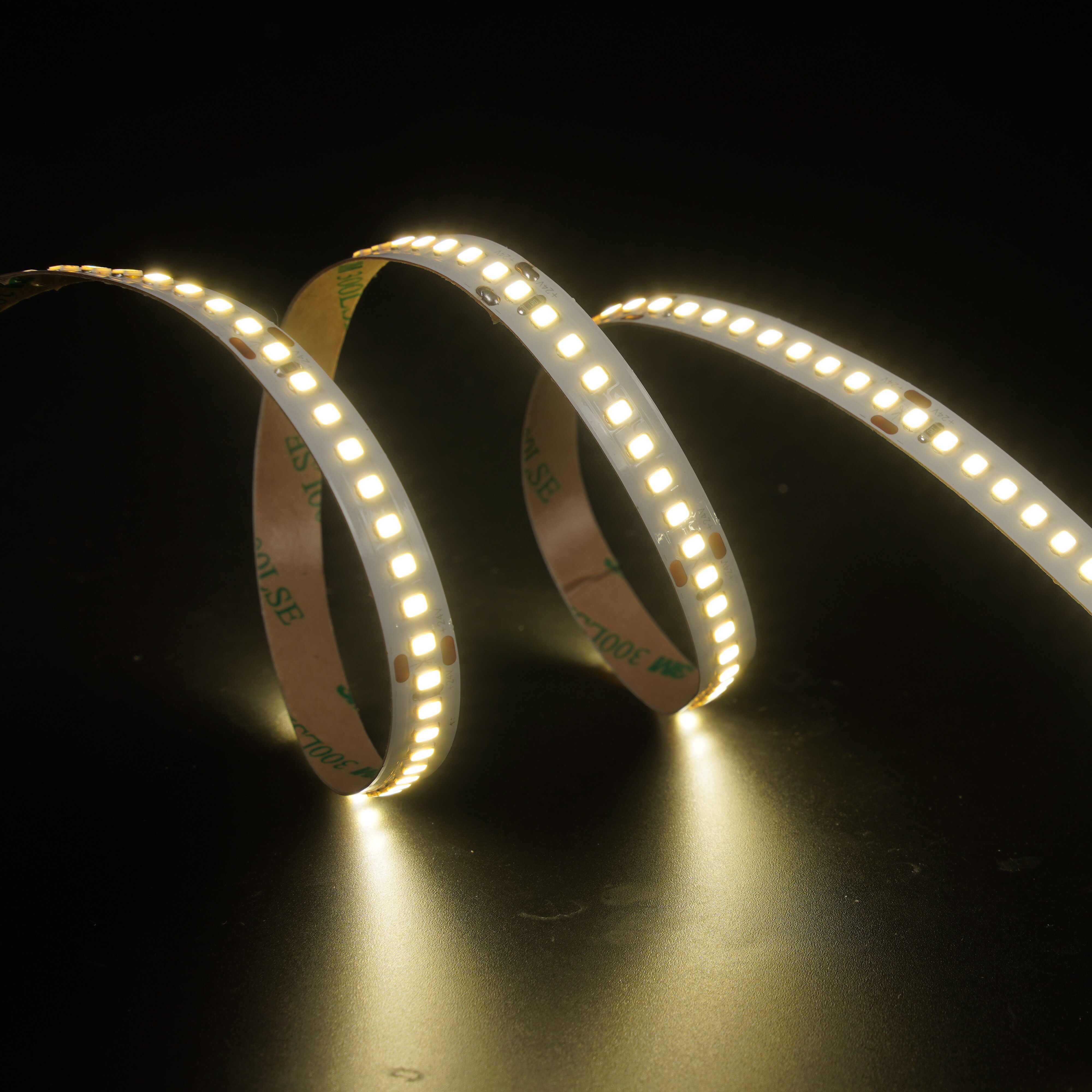
Getting the right LED strip profiles makes all the difference when setting up a cozy home theater where lights don't bother anyone watching. When LED strips are left exposed, they tend to throw off light in an uneven way, creating those annoying bright spots on walls that really take away from what's happening on screen. People might find themselves squinting after sitting through a movie marathon because of this. The solution? Aluminum frames combined with either frosted or opal diffusers spread out the light much better. These setups give off that nice even glow around the room without reflecting off screens, which definitely improves how comfortable everyone feels visually. A study from the Lighting Research Center back in 2023 found something interesting too about these diffused lights cutting down on glare perception by roughly 60%. That kind of improvement is worth considering if someone wants their home theater to feel truly professional and relaxing at the same time.
The high thermal conductivity of aluminum makes it work really well as a heat sink, pulling heat off those tiny LED chips and getting rid of it before things get too hot. When LEDs run too warm, they start to degrade faster, which means their light output drops and colors can shift over time. That's why proper thermal management matters so much for keeping these lights performing properly. Aluminum profiles keep temperatures down, which helps LEDs last about twice as long as plain old strips would in the same environment. The result? Lights stay bright and true to color for much longer periods, cutting down on how often they need replacing or adjusting. For people setting up home theaters, this reliability means fewer headaches with lighting systems breaking down after only a few months of use.
Aluminum profiles do more than just work well for home theater lighting they also make a big difference in how the space looks. The designs are really sleek and minimal, hiding all those LED strips and wires so everything looks neat and professional, blending right into whatever room it's in. These light channels can go pretty much anywhere ceiling edges, behind TV screens, even around wall corners. What's great is they create this subtle lighting effect that sets the mood but doesn't scream at you from across the room. Most manufacturers offer different finishes too matte black works well in modern spaces, brushed nickel adds a touch of elegance, and plain silver goes with almost anything. Homeowners get to pick what matches their style best, plus the lights can be angled just right to highlight certain parts of the room architecture without messing with the view of the main screen.
| Feature | Bare LED Strips | Aluminum Profile Encapsulated Strips |
|---|---|---|
| Heat Management | Poor dissipation, shorter lifespan | Excellent cooling, extends lifespan by 50% |
| Light Quality | Uneven, hotspots common | Even diffusion, reduced glare |
| Durability | Exposed to dust and damage | Protected from physical and environmental harm |
| Installation Aesthetics | Visible diodes and adhesives | Clean, hidden installation |
| Long-term Cost | Higher replacement frequency | Lower maintenance, consistent performance |
Encapsulating LED strips in aluminum channels transforms their reliability and performance, particularly in environments where visual fidelity and longevity are crucial. For home theaters, this integration delivers superior light control, durability, and aesthetic cohesion.
Choosing the right aluminum profile and LED strip combination elevates your home theater’s atmosphere by balancing functionality, longevity, and design. These five pairings are optimized for cinematic immersion and seamless integration.
This low-profile combo is ideal for cove or perimeter lighting. Mounted discreetly along ceilings or behind screens, it uses warm white LEDs (2700K–3000K) to create a relaxing, film-friendly ambiance. The aluminum housing ensures efficient heat dissipation, extending LED life by up to 50% compared to exposed installations.
Designed for accent lighting behind screens or seating areas, this corner-mounted profile directs light smoothly across walls. Paired with an RGB LED strip offering 16+ million colors, it enables dynamic scenes synced to on-screen content. The aluminum construction prevents overheating, even at full brightness during extended use.
This flush-mount solution offers a minimalist look perfect for new builds or renovations. Featuring high-CRI (≥90) tunable white LEDs, it renders accurate skin tones and subtle color gradients critical for film reproduction. The T-slot design simplifies installation and allows secure attachment of diffusers for uniform light output.
Engineered to project light upward or downward, this wall-washer profile creates a "floating" effect that enhances depth perception in the room. When paired with addressable LEDs, it supports pixel-level control for animated effects or static gradients. Thick aluminum walls ensure sustained thermal performance, even when running complex lighting sequences.
Ideal for tight spaces such as speaker enclosures or cabinetry, this ultra-slim profile remains nearly invisible once installed. It houses 12V or 24V LED tape for safe, energy-efficient operation, while the aluminum casing protects against mechanical stress and heat buildupâ€"critical for enclosed environments.
What kind of diffuser we choose makes all the difference when it comes to how good the light looks and whether people feel comfortable watching in a dark room. Clear diffusers let through the most light but they also show off those little LED lights individually, creating bright spots that really stand out and aren't great for getting lost in the movie experience. Frosted options give us something in between, they soften up the light a bit without losing too much brightness overall. Then there are opal diffusers which scatter light everywhere thanks to their thick, milky texture, completely getting rid of those annoying hotspots. Sure, these might cut down on output somewhere around 15 to maybe 20 percent, but newer designs with special patterns actually help spread the light better without wasting much power at all. That's why many folks setting up home theaters go for opal diffusers since having consistent lighting across the whole space just matters so much for that cinema feel.
When picking out a diffuser for home theater setups, getting rid of those annoying bright spots needs to come first. The thicker opal diffusers work best for spreading light around evenly, but keep in mind they might need stronger LED strips since they tend to soak up some light. This matters a lot in darker spaces where even small differences stand out like sore thumbs. That's why getting consistent lighting beats having maximum brightness any day. Most pros will tell anyone who asks that it pays off to experiment with different LED brightness levels, color temperatures, and various diffuser options before settling on one setup. Every room is different after all, and what looks good from across the room might not work so well when sitting right there watching.
How something gets mounted makes a big difference when it comes to how easy it is to install and what it looks like afterward. Surface mount profiles snap right on with clips or stick pretty well with adhesive, so these work great if someone wants to upgrade an already finished space without tearing things apart. For recessed installs, the whole idea is to hide the channel inside drywall or trim work, which gives that clean built-in look most people want but only works if the building is going through complete renovation or brand new construction. Those corner profiles go along wall edges and ceiling junctions to guide light where needed while highlighting the architecture itself, all without showing off too much hardware. According to research from the Lighting Research Center last year, switching to aluminum channels instead of just gluing stuff down actually helps dissipate heat about 30 percent better, which means LEDs tend to last longer before they start fading out.
| Installation Type | Best For | Complexity | Visual Result |
|---|---|---|---|
| Surface-Mount | Retrofit projects | Low | Modern, visible profile |
| Recessed | New construction | High | Seamless, integrated |
| Corner | Architectural emphasis | Medium | Directional, accent lighting |
Slim aluminum profiles mounted behind acoustic panels offer a dual benefit of improved acoustics and subtle ambient lighting effects. When installed as low profile channels along panel edges, these create an indirect glow that adds dimension to walls while maintaining sound absorbing properties. The metal housing does more than just look good it actually handles heat dissipation properly, which protects both LED components and the sensitive acoustic materials inside. For best results, go with frosted diffusers since they spread light evenly across surfaces without causing annoying glare spots. Just remember to pick profiles with shallow depth when possible, so they'll fit within normal framing constraints. This keeps everything looking neat and ensures panels stay functional rather than becoming decorative elements that don't perform their primary job.
LED strip profiles are aluminum channels designed to house LED strips. They help in managing heat dissipation, improve light diffusion, and enhance overall aesthetic integration into spaces.
Aluminum has high thermal conductivity, which effectively acts as a heat sink. This reduces the operating temperature of LEDs and prevents them from degrading over time, thereby extending their lifespan.
Yes, there are several types such as clear, frosted, and opal diffusers. Each offers unique benefits like improved light spread, reduced glare, and elimination of hotspots depending on their design and material.
Absolutely. LED profiles can be installed in various ways to create seamless and elegant lighting solutions that enhance the visual appeal of home theaters without crowding the space.
Considerations include the type of aesthetic finish, heat dissipation needs, diffuser type, mounting technique (surface, recessed, or corner), and compatibility with the existing room architecture. Experimentation with LED brightness levels and color temperatures can also optimize the setup.
 EN
EN