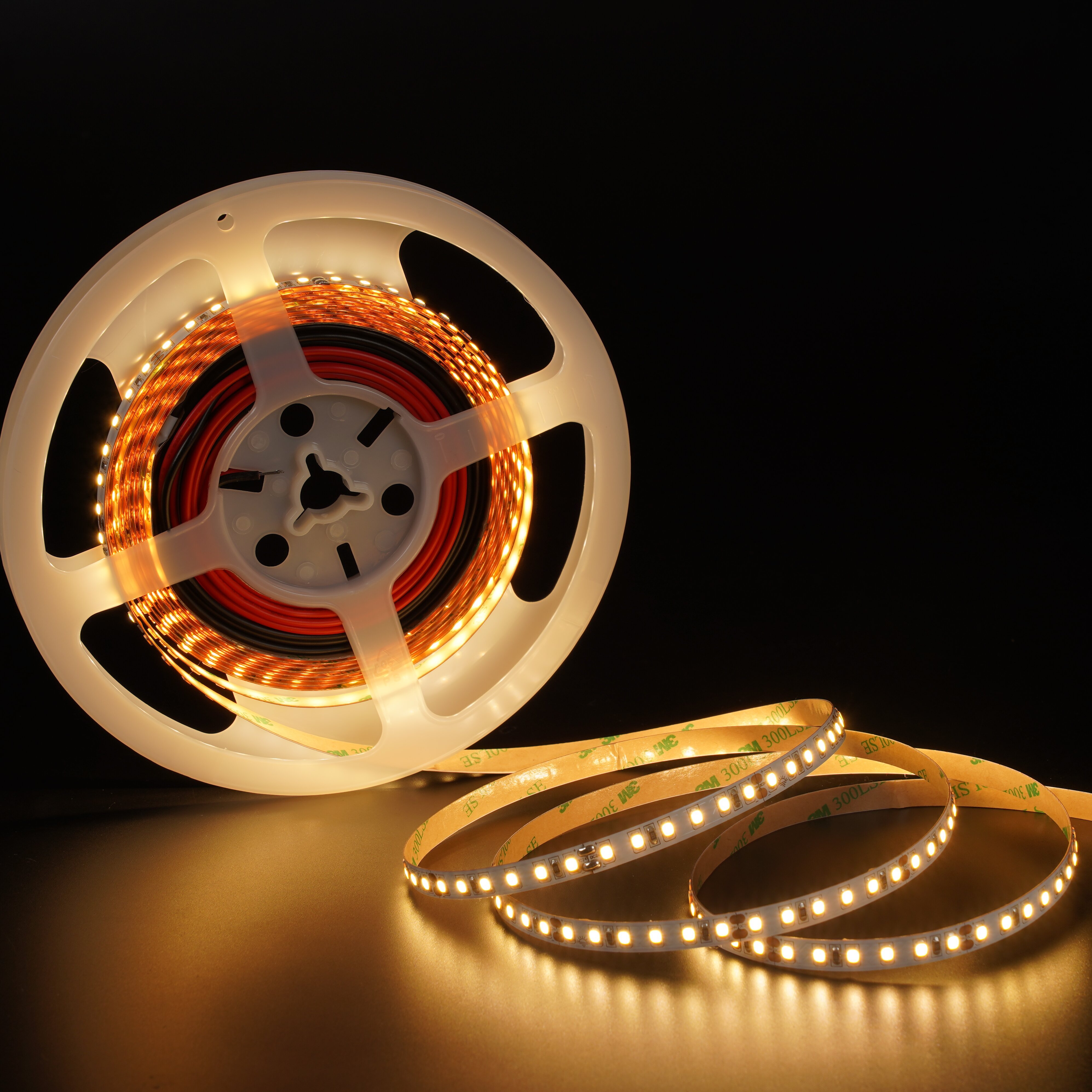
Linear LED lighting is now pretty much standard in most commercial spaces because it looks good and works well too. With architecture moving toward simpler designs these days, those straight line fixtures just fit right in without messing up the overall look of a room. What's really nice about them is how they can be shaped around corners or connected together to match whatever weird angles architects throw at us. Offices benefit a lot from this kind of lighting since it cuts down on harsh glare and dark spots at desks, which means people aren't squinting all day long. Retail stores get something different out of it though. When they install versions with higher Color Rendering Index ratings, products actually look better under the light, so customers tend to spend more time looking at stuff. That versatility explains why we see these lights everywhere nowadays, whether in sleek office receptions or fancy boutique shops where lighting matters a ton for creating atmosphere.
When looking at LED linear lights, luminous efficacy measured in lumens per watt (lm/W) tells us how well these lights convert electricity into visible light. Basically, the higher this number, the more light we get for our money since it cuts down on electrical bills. Take for instance two fixtures running on identical power levels but one gives off 150 lm/W while another only manages around 100 lm/W. The difference in brightness between them is pretty noticeable. These efficient units definitely cut down on ongoing maintenance costs and help meet those green building targets many companies now have. Still worth noting though, not all manufacturer specs tell the whole story. Some numbers might be exaggerated so it pays to check independent test results before buying. Going for LED linear lights that have been properly tested by third parties makes sure they meet required energy efficiency standards and saves money over time without compromising quality.
An office building in downtown Seattle recently swapped out old fluorescent lights for new LED linear fixtures, and the results were pretty impressive. After installing these high efficiency LED systems from one of the big manufacturers in the industry, they saw their electricity usage drop by around 60%. Employees noticed things right away too. The lighting was much more even throughout the space, and people stopped complaining about headaches from flickering bulbs or getting blinded by harsh glare at their desks. Looking at the numbers makes sense economically as well. Lower power bills plus better working conditions means businesses get their money back faster than expected. For property managers thinking about upgrades, this kind of lighting switch seems like a no brainer these days.
Wattage tells us how much power something uses, but what really matters for LED linear lights is lumens per watt (lm/W), which shows how good they are at turning electricity into actual light we can see. Lights rated above 140 lm/W pack quite a punch when it comes to brightness while using less power, which means lower bills month after month. When looking at the big picture though, nobody should focus only on what's listed as the initial cost tag. Smart buyers know there's a whole lot more to consider beyond just how much cash changes hands at checkout time.
Industry analysis shows that energy-efficient commercial lighting can reduce annual operating expenses by 15–30%, while extended lifespans lower lifecycle costs through reduced thermal stress and stable performance.
Premium LED linear lights typically carry warranties ranging from 3 to 5 years, which has become pretty much standard stuff these days across commercial and industrial facilities. The warranty period generally matches up with how long it takes to see returns on investment from energy efficient upgrades, covering those first few years where defects might cause problems rather than lasting the whole life of the product. Most LED products boast ratings around 50,000 hours or better, translating to roughly ten years with regular usage patterns. But manufacturers design their warranties specifically to address issues like early failures or noticeable drops in performance. Understanding this difference is actually quite important because the warranty ensures things work properly right after installation, not necessarily at the end of its useful life. Facility managers find this particularly helpful for planning maintenance budgets and having peace of mind knowing their investments will perform reliably during those crucial first months and years on site.
The Lightwolf warranty works similarly to what most trusted brands offer, covering any problems with materials or craftsmanship when used normally during the stated time frame. What exactly gets covered? Things like drivers failing too soon, lights dimming way below what was promised, or actual factory mistakes. But there are some things they won't fix if something goes wrong because of bad installation practices, power spikes, water getting into components, or just regular old wear and tear over time. Knowing what isn't included matters a lot for anyone wanting their lighting system to last as long as possible without unexpected costs down the road.
There's actually no real contradiction when looking at those numbers either. Most people wonder why there's such a big difference between what the product lasts for versus what comes with the warranty. Let's break this down. Manufacturers rate lifespan using something called the L70 standard, basically meaning the light will still work but just not as brightly after 50,000 hours. The warranty covers those early days though, since that's when most problems tend to happen. Think about it like car warranties covering the first few years despite knowing cars last much longer than that. Companies want to back their products during the critical phase when customers might have issues. At the same time, these lights keep working efficiently for years after the warranty expires, which means fewer replacements needed overall. Makes sense really. The industry has found a way to protect consumers without overpromising, creating reasonable expectations while still delivering good value in the long run.
Getting third party certifications is really important when it comes to checking how well LED linear lights perform and whether they're safe to use. Take the DesignLights Consortium DLC certification for instance. This one actually tests things like energy efficiency, color quality, and how long these lights will last before they start failing. That's all done by independent labs so there's no bias involved. Many products listed on the DLC Qualified Products List can get utility rebates too, which cuts down what businesses have to pay upfront for lighting installations. Then there's UL from Underwriters Labs and ETL from Intertek's Electrical Testing Labs. These certifications basically tell us if a product meets tough electrical safety rules, which means fewer chances of fires or electric shocks happening. Industry numbers show something interesting here too. Commercial LED fixtures with DLC certification tend to be about 15 to 25 percent more efficient at producing light compared to ones without certification. Over years of operation, this kind of difference adds up to significant savings on electricity bills for companies.
When manufacturers follow federal regulations, it shows they care about both saving energy and keeping their place in the marketplace. Back in 2007, the Energy Independence and Security Act came into play setting basic efficiency rules for commercial lighting systems. Since then, the Department of Energy has been working on improving how these products get tested and what counts as good performance. Building managers who install LED linear lights that meet EISA and DOE standards are not just following the law but also opening doors to various incentive programs. According to a recent look at the commercial lighting market from 2023, those who stick with compliance tend to see returns on investment around 18 percent quicker because of lower energy bills plus cash back from government programs.
 EN
EN