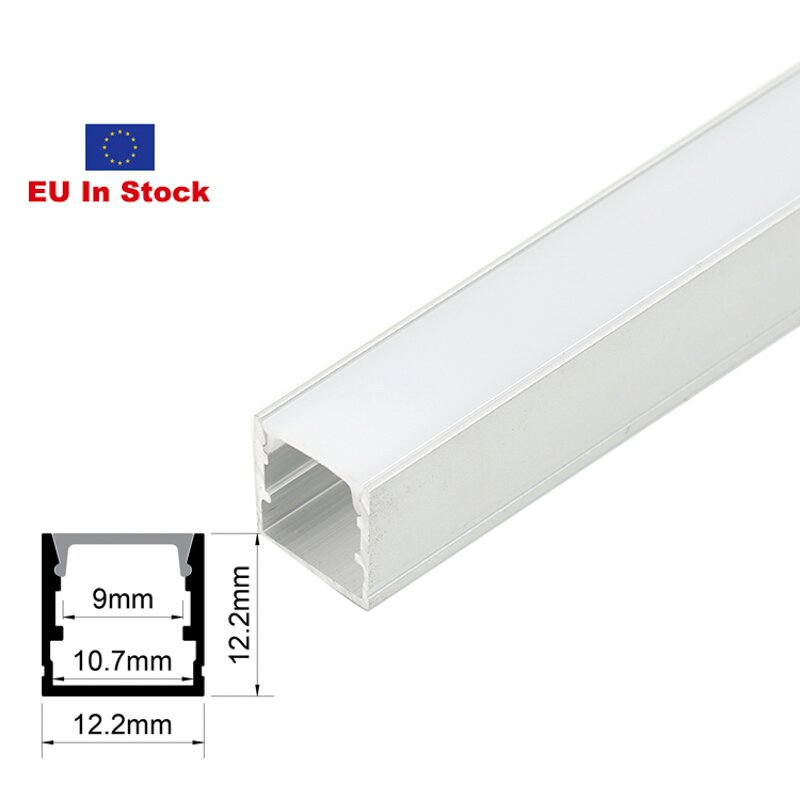
The choice of LED strip profile makes all the difference when it comes to consistent lighting and how long the system will last. These LED strips tend to run hot, and if they don't have good ways to shed that heat, temperatures can climb past 85 degrees Celsius pretty quickly. According to the Illuminating Engineering Society report from 2023, this kind of overheating can cause the brightness to drop by about 30% over time. That's where aluminum extrusions come into play. They work like passive cooling systems because aluminum conducts heat so well, something like 200 watts per meter Kelvin. The extra surface area and those fin-like structures help pull the heat away from the actual LEDs. Proper thermal management isn't just about keeping things cool either. It stops problems like the phosphor material breaking down, colors shifting unexpectedly, and keeps the power drivers running efficiently without extra strain.
Profiles do more than just keep things cool. They actually shield equipment from all sorts of physical damage, stop dust from getting inside, and block moisture too which matters a lot when working in damp areas or outside. When sealed properly using those silicone gaskets or compression fittings, they maintain those important IP65 and IP67 standards. This stops corrosion issues and electrical shorts that lead to problems down the road in the field. And let's not forget about structural strength either. A solid profile prevents adhesives from failing and stops components from drooping over time, which keeps everything aligned correctly for optimal performance.
Aesthetically, extruded channels conceal wiring and integrate diffusers to eliminate hotspots–transforming raw LED strips into refined architectural lighting systems where performance and longevity coexist.
Selecting the correct LED strip profile requires precise alignment with three critical strip specifications: physical dimensions, power requirements, and environmental protection needs. Mismatches compromise performance, safety, and service life.
The profile needs to fit the dimensions of the LED strip properly. Micro strips that are around 5 to 8 mm wide work best in narrow channels. Standard sized strips measuring about 10 to 12 mm (like those with 3528 or 5050 chips) need something a bit bigger for housing. Then there are the wider COB strips ranging from 14 to 20 mm which actually require deeper profiles built to handle extra structural demands. We've seen problems happen when someone tries to cram a 20 mm COB strip into a space meant for 12 mm strips. This doesn't just look bad but causes serious issues with heat dissipation and puts unnecessary strain on the whole system over time.
The ability to dissipate heat depends heavily on how deep the profile is and what kind of aluminum was used in manufacturing. When dealing with high power strips such as those containing 5050 chips rated at around 14.4 watts per meter or COB strips hitting about 24 watts per meter, we generally need profiles that are at least 15 millimeters deep and feature some sort of fin design for better airflow. If the housing isn't big enough, things get really hot in certain spots, which can shorten the life of LEDs by roughly half according to some studies from lighting experts back in 2023. A good rule of thumb? Go for a profile that has a rating about 20 percent higher than what your actual strip draws. So if working with a 72 watt strip, look for something rated closer to 90 watts instead.
Selecting the appropriate LED strip profile requires matching the channel system to both installation method and operating environment–ensuring structural integrity, thermal performance, and long-term reliability.
Five primary channel types address diverse mounting scenarios:
Environmental exposure dictates key specifications:
| Factor | Indoor Requirements | Outdoor Requirements |
|---|---|---|
| IP Rating | IP44 (minimal splash) | IP65+ (dust/water jets) |
| Material | Standard aluminum/PC | UV-stabilized aluminum/PC |
| Sealing | Basic end caps | Silicone gaskets + sealed ends |
UV-resistant coatings reduce yellowing by 70% in high-solar areas–critical for maintaining appearance and optical performance over time.
Aluminum profiles are pretty good at managing heat thanks to how they're engineered. The material conducts heat really well, something like over 200 W per meter Kelvin, which means it can pull heat away from those LED chips effectively. When manufacturers design deeper profiles with fins added on, they actually boost the surface area by around 30 to maybe even 50 percent. This extra surface helps dissipate heat faster through convection. Keeping the junction temperature under 85 degrees Celsius is super important because if it goes above that, LEDs start losing brightness much quicker. We're talking about losing about 20% of light output each year once we cross that threshold. So maintaining these lower temps not only preserves the quality of light but also makes the whole system last longer before needing replacement.
The type of cover used makes a big difference in how good the lighting looks. Clear polycarbonate lets most of the light through, about 95%, but people can still see those little LED lights individually. Frosted covers spread out the light better, creating wider beams over 120 degrees and getting rid of those annoying bright spots. Opal glass is great for color accuracy, pushing the Color Rendering Index past 90 which matters a lot in places such as museums or art studios where colors need to look just right. Different materials actually change how we perceive colors, affecting both the warmth and intensity of the light in subtle ways that make all the difference in certain settings.
 EN
EN