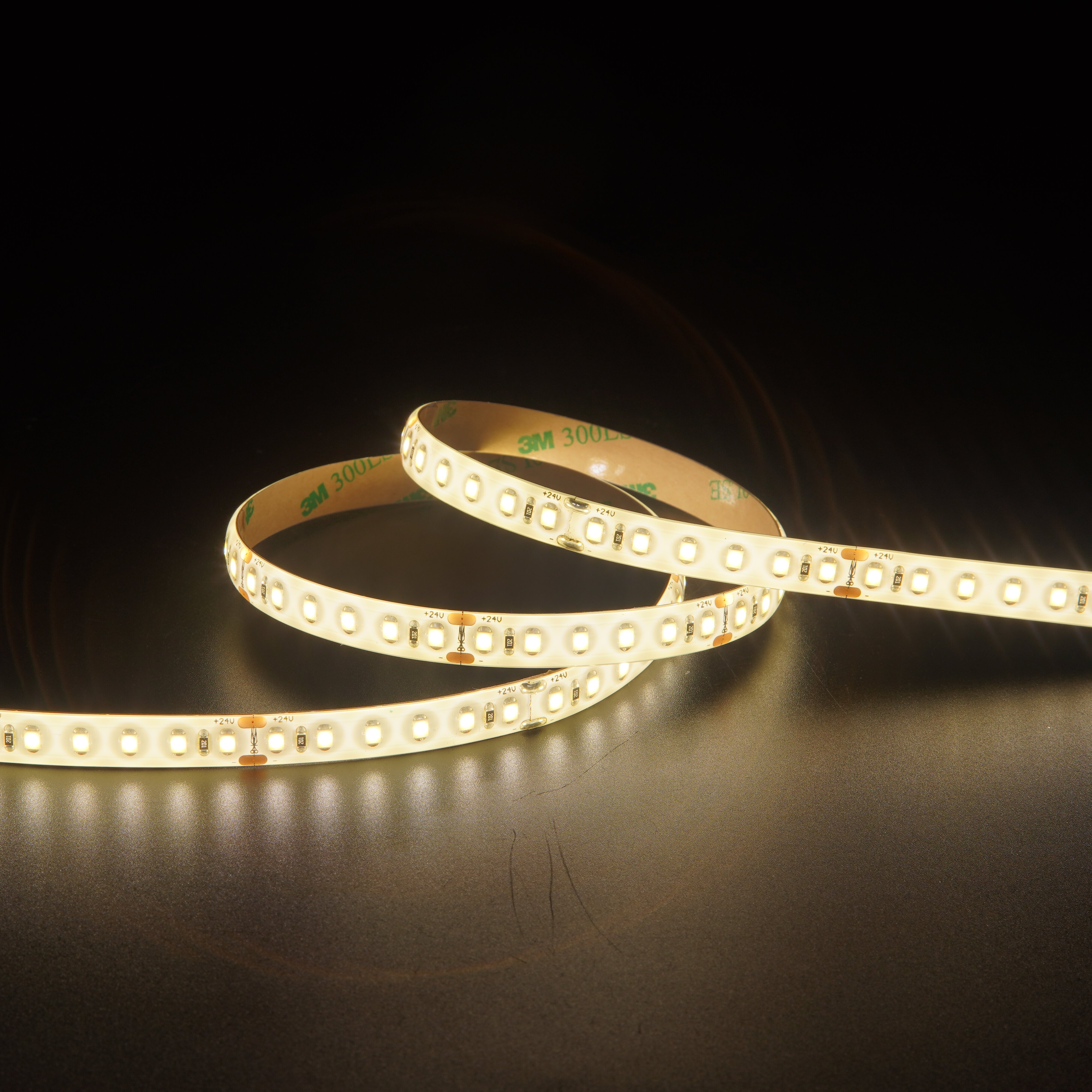
Regular RGB strips mix red, green, and blue LEDs to create those colorful changing effects we all love so much for highlighting spaces in living rooms or game areas. When looking at RGBW technology, there's an extra white LED added which means homeowners get proper neutral lighting along with all those bright colors. That makes RGBW great for kitchen installations where people need good visibility for cooking tasks but also want to set different moods during dinner parties. Then there's RGBCCT strips that take things even further by including both cool and warm white LEDs. These allow adjustment of white light temperatures ranging from cozy warm tones around 2700K to crisp daylight levels at about 6500K. The ability to adjust light temperature throughout the day actually helps support our body's natural rhythms, something especially beneficial in bedroom settings. And despite all these advanced features, RGBCCT still maintains complete color control options too, making it probably the best choice overall for anyone wanting comprehensive lighting solutions that care about both function and wellness.
Regular LED strips give off the same color all along their length, which makes them cheaper and easier to install. These work great for things like lighting underneath cabinets, basic backdrops, or creating mood lighting in corners where people want consistent light but don't need fancy effects. Then there are the smart ones, like the ones with WS2812B chips inside. These let each individual LED be controlled separately through special connections, so we can get moving colors, lights that react to what's on TV, or change scenes dynamically. They do require better equipment and more electricity though, but worth it if someone wants to create really immersive spaces. Think about archways in living rooms, shelves, or behind entertainment centers. Bedrooms tell a different story. Non-addressable RGBCCT strips help cut down on eye strain and messiness when installed in ceiling coves or under beds. But if someone wants something decorative with gentle movements that enhance the room's vibe, then addressable versions make sense. Most homes just need IP20 rated products for safety reasons anyway, no need to spend extra on waterproof models unless absolutely necessary.
Cove lighting installed along those tricky spots where ceilings meet walls or crown molding gives off this really nice soft glow that cuts down on harsh glare and helps reduce eye strain when reading at night. When combined with bendy LED strips, these lights can follow all sorts of shapes easily, wrapping around curved walls or odd corners like an arched headboard without leaving bright patches somewhere else. The lighting underneath beds does two things actually - creates this cool floating bed look while also acting as a handy nightlight so people don't trip over stuff in the dark. Since the light points down towards the floor instead of straight ahead, it doesn't mess with our body's natural rhythm when trying to fall asleep. Going for warm white tones around 2700 to 3000 Kelvin works best for most folks because it signals to the brain that it's time to relax and start winding down for bed.
RGBCCT and high fidelity RGBW LED strips give us control over color temperature and light spectrum so we can match our lighting to how our bodies naturally respond to day and night cycles. Cooler white light around 5000K to 6500K in the mornings helps keep us awake by reducing melatonin production, whereas shifting to warmer tones between 2200K and 2700K as evening approaches encourages our bodies to produce melatonin and get ready for sleep. Many modern controllers come with automated schedules that mimic sunrise to sunset patterns automatically. Studies show people who use these circadian lighting systems report better sleep quality improvements of about 23% over regular white lights. Adding some red wavelength light in the 620 to 750nm range during nighttime hours cuts down on stimulating our eyes at night, which makes these systems especially good for creating sleep-friendly environments in bedrooms where biological rhythms matter most.
Putting LED strips in smart spots can totally change how a living room functions and feels. The area behind the TV works wonders for reducing eye strain when watching for hours, makes colors pop more on screen, and creates that immersive feel we all want - especially when lights are low. Lighting along shelves and cabinets highlights those special items people collect without making everything look flat or casting ugly shadows. This adds depth to displays and shows off what matters most. For archways, fireplaces, or under ceilings, hiding LED strips along edges really brings out the architecture of a room. It makes spaces feel bigger than they actually are and ties together different design elements in ways that just make sense visually.
| Application | Key Benefit | Ideal Placement |
|---|---|---|
| TV Backlighting | Reduces eye strain, boosts contrast | Behind television screen |
| Shelf Accenting | Highlights objects, adds depth | Under shelving edges |
| Archway Framing | Defines structure, enlarges space | Along coves or door contours |
Together, these applications balance utility and aesthetics-supporting everything from focused work to relaxed entertainment-without compromising ambient harmony.
Getting good results from LED strips really depends on how they're installed from the start. First things first figure out how much power your setup will need including what the controller itself uses then grab a power supply that's rated for that load and has UL approval. Going too small here just invites trouble down the road with heat issues and early failures. Cleaning matters too when sticking those strips somewhere. Grab some rubbing alcohol and wipe down whatever surface they'll go on especially important if it's going in a damp area like a bathroom or laundry room where humidity can mess with adhesives. If your run goes past about 16 feet give or take 5 meters put another power source halfway along to keep things from getting dim at the end or showing weird colors something that stands out even more with those fancy RGB CCT or addressable strips. Only cut the strip where there are marks for soldering points and definitely get waterproof connectors if it's going near water anywhere. Before turning anything on check those positive and negative connections again because mixing them up will fry both the controller and LEDs for good. And when hooking everything up to smart home systems whether it's DALI, 0-10V dimmers or Matter compatible hubs don't hesitate to bring in someone who knows electrical codes and understands how different components work together this ensures everything stays reliable over time without creating headaches later on.

 EN
EN