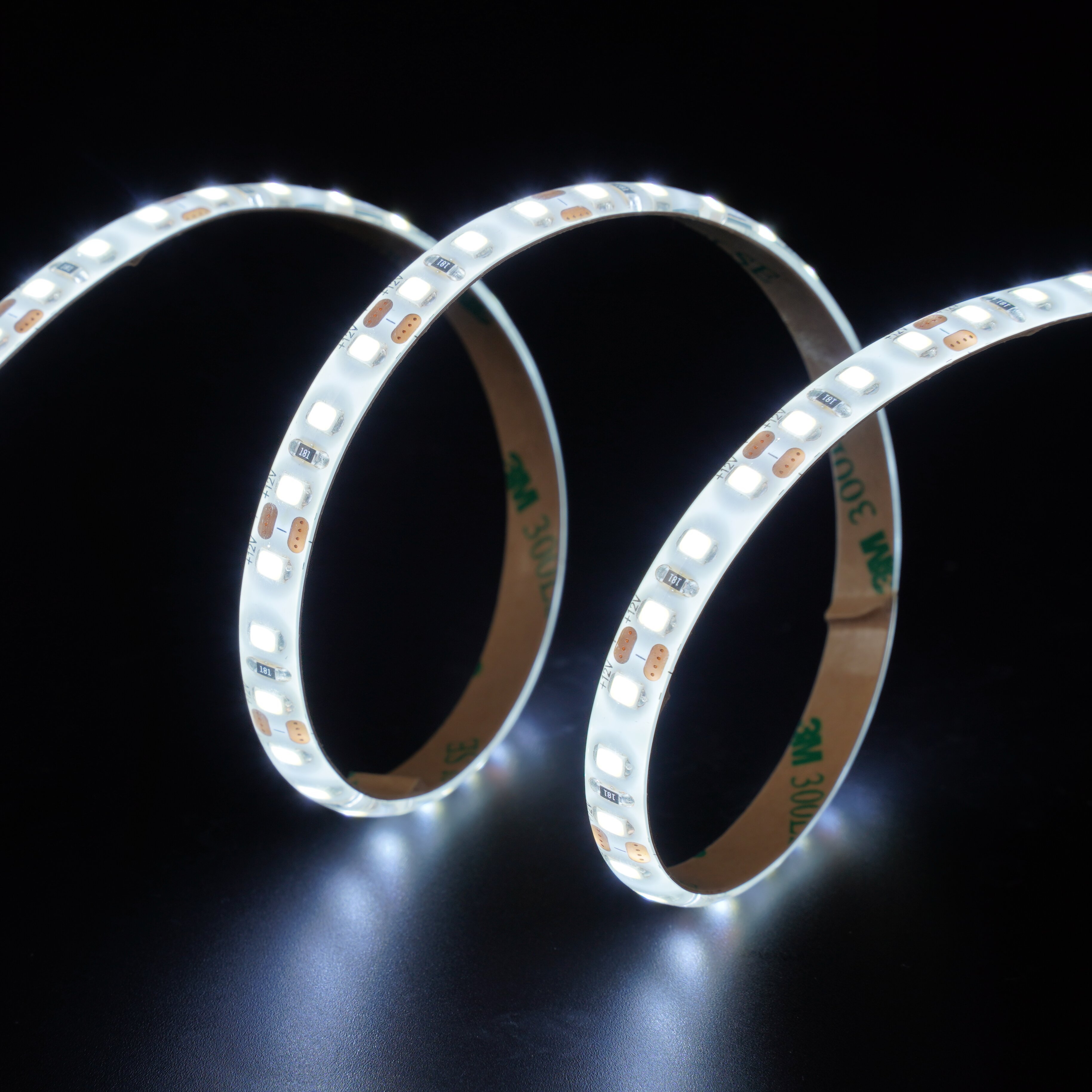
Choosing the right IP rating makes all the difference when it comes to how outdoor LED linear lights hold up against Mother Nature's challenges. Fixtures with an IP67 rating can handle being submerged temporarily, about 30 minutes deep enough to cover them completely in water, which works great for areas that get soaked during heavy rains or sudden floods but drain properly afterward. The situation changes quite a bit with IP68 ratings though. These units are built to stay underwater continuously as long as the specs from the manufacturer say they can, sometimes even up to 1.5 meters below surface for months on end. This matters a lot around swimming pools, decorative water features, and seaside locations where salty ocean air eats away at materials faster than regular freshwater would. Saltwater just speeds things up, making those seals wear out quicker if not properly protected.
The biggest differences in how these lights perform tend to show up when there's been extended exposure to moisture. IP68 rated fixtures hold up pretty well even when dealing with constant tides and wet soil conditions around them. IP67 models aren't as tough though, they really need good drainage at their installation sites to prevent those seals from wearing out over time. Looking at actual field reports from areas where temperatures go back and forth between freezing and thawing, we see something interesting happening. Lights with the IP68 rating fail about 37 percent less often compared to their IP67 counterparts. Most experts point to better sealing technology as the main reason behind this difference, since it stops ice from expanding inside those tiny gaps between parts of the light housing.
Material synergy—not just individual component specs—defines longevity in outdoor LED linear light construction. Three interdependent elements form the foundation of durable, high-performance fixtures:
Together, these materials reduce lumen depreciation by 50% after five years in accelerated marine weathering tests—outperforming basic polymer alternatives. Their integration ensures optical clarity, structural integrity, and consistent photometric performance—even after submersion incidents or decades of UV exposure.
Linear LED lighting makes outdoor spaces safer by providing even coverage without harsh glare that leaves patches of darkness or confuses where one area ends and another begins. Studies from last year show these lights cut down on tripping incidents by around half on sidewalks and near curb edges when it gets dark outside. The way they spread light continuously helps people move around without getting distracted visually, and putting them around property borders creates obvious boundaries that save electricity while making it easier to spot intruders and keep unwanted folks out. We've seen this work well in several real world settings including...
Many architects today are turning to LED linear lighting not just for functionality but as a key design element in their projects. When installed properly, recessed lighting creates those clean lines we all love, making spaces feel larger and more modern. These lights also draw attention to interesting textures and materials throughout buildings, completely changing how people experience facades, staircases, and even plain old walls. According to recent research from last year, nearly four out of five designers consider these lighting strategies essential because they boost both beauty and market appeal. We're seeing this approach applied everywhere from commercial buildings to residential spaces where good lighting can make all the difference between ordinary and extraordinary designs.
Thermal resilience built into these fixtures—via extruded aluminum housings and stable PCB substrates—ensures reliable operation across coastal humidity, salt exposure, and freeze-thaw cycling, supporting rated lifespans exceeding 50,000 hours.
LED linear lighting isn't just about making things visible anymore. These modern systems actually respond to their environment in ways that create lighting with emotional intelligence. With tunable white technology, we can adjust colors anywhere from cozy 2700K warmth suitable for evenings when people gather, all the way up to bright 4000K daylight simulation needed in areas where safety is paramount. The flexibility really tells stories through light. Take pathways for instance they start off with the higher Kelvin setting in the early evening hours when folks need good visibility, then switch to warmer tones later on as social events happen nearby. Even retaining walls change character after rain falls, going colder to make those stone features stand out more against wet surfaces. This kind of control lets lighting work alongside nature's cycles and what architects originally intended for spaces. It improves how people feel about places, helps them find their way around better, keeps visuals flowing smoothly together without creating jarring differences across large outdoor areas.
Coastal salt spray and freeze-thaw cycles accelerate failure in standard LED linear lights—degrading drivers, corroding interfaces, and destabilizing thermal performance. Unprotected fixtures can lose up to 40% of expected lifespan under these conditions. Robust thermal engineering counters this through three integrated strategies:
The system is built to last well beyond 50,000 hours of operation even under tough conditions where standard lighting would struggle to maintain its brightness levels according to industry standards. When these lights fail less often, it means less time spent on repairs, fewer bulbs needing replacement, and significantly less wasted electricity throughout their lifespan. We're talking about cutting total costs by around 30% compared to traditional options. And let's not forget about temperature management either. Good thermal regulation stops colors from shifting over time, so whatever look designers create stays consistent for years rather than fading away after just a few seasons.
 EN
EN