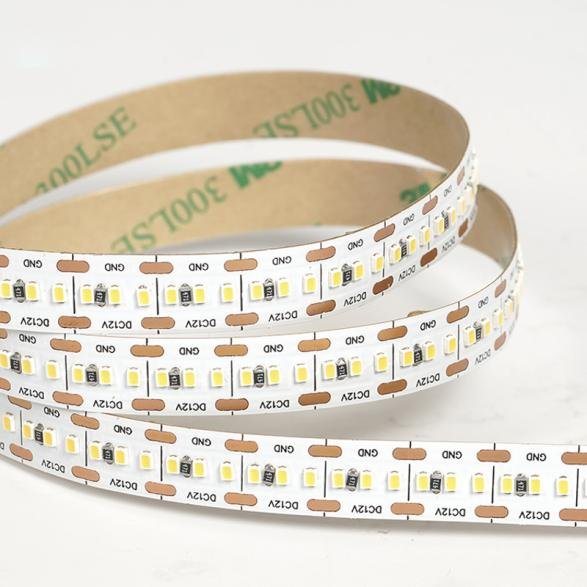
LED linear lighting really stands out when it comes to saving energy. According to the US Department of Energy from last year, these systems cut down on power usage by around 40% compared to old school fluorescent lights. That means companies spend less money running their facilities while still getting great lighting throughout the space. The newer models come with no flickering at all and have those high color rendering indexes above 90, which makes colors look more natural. This helps reduce tired eyes after spending long days at workstations something that matters a lot now with so many people working part time from home and part time in office settings. These lights can fit into almost any installation setup whether built into ceiling grids, hung from overhead structures, or mounted right onto walls. Architects love this flexibility because they can create exactly the mood they want for different environments like sleek modern workspaces or more rugged industrial areas. Plus, these lights last forever practically speaking most last well beyond 50 thousand hours, which works out to about twelve years if used ten hours each day. Maintenance becomes a non issue most of the time. And looking ahead, market research suggests that nearly two thirds of commercial buildings will be focusing on adjustable lighting options within the next few years according to Illuminating Engineering Society data. So investing in LED linear lighting isn't just good for current budgets but also positions buildings nicely for whatever smart technology trends might emerge down the road.
LED linear lights that are smart ready work right out of the box with most IoT building systems these days. They let buildings automate schedules, harvest daylight where possible, and control different zones independently. The sensors for occupancy and ambient light actually change brightness levels as needed, cutting down on wasted electricity by around 30% compared to older models according to some recent studies from IES in 2025. Facility managers love networked drivers because they connect to cloud platforms for central management. This gives maintenance crews instant access to system diagnostics plus early warnings when something might go wrong. What really matters though is how these lights play nicely with existing systems through BACnet and DALI protocols. No need to rip out old infrastructure just to upgrade. Plus buildings stay ahead of curve when new smart standards come along since everything already fits together like puzzle pieces.
LED linear lighting designed with humans in mind incorporates tunable white technology ranging from warm 2700K to cool 6500K, mimicking our body's natural daily rhythm. This helps keep people alert during morning hours while making it easier to switch between focused work and winding down as evening approaches. According to recent findings published by the International Commission on Illumination back in 2024, workplaces adopting this kind of lighting saw about 42% fewer reports of eye fatigue among staff. The lights feature special optical designs that keep glare ratings under control at around 19 on the UGR scale, which makes all the difference when working long hours staring at screens. With color rendering index scores above 90, colors appear much truer to life, something designers and engineers really appreciate. Plus, these smart lighting systems automatically adjust based on local daylight conditions through built-in astronomical clocks, no need for anyone to fiddle with settings manually. And let's not forget they eat up roughly half the electricity compared to old fashioned fluorescent lights according to Department of Energy data from last year.
Choosing the correct mounting approach makes all the difference when it comes to how well lighting works and fits into the overall design. For recessed lighting, the fixtures sit right inside the ceiling or wall surface. This works great in those grid ceiling setups and modern spaces where people want unbroken lines of light without anything sticking out. Surface mounted lights just bolt onto existing concrete or sturdy ceilings. They're pretty easy to install retroactively without having to tear up much of the structure. Then there are pendant lights that dangle down on wires or metal rods. These create visual interest by breaking up empty space vertically and often mark areas where teams gather in large office environments. Many designers find them particularly useful in creating distinct work zones within otherwise open floor plans.
Key considerations include:
| Factor | Recessed | Surface-Mounted | Suspended |
|---|---|---|---|
| Ceiling Type | Drop ceilings | Concrete/solid | High ceilings |
| Visual Impact | Seamless | Utilitarian | Statement |
| Installation | Moderate complexity | Low complexity | Moderate complexity |
Aligning mounting type with spatial constraints, load capacity, and long-term serviceability ensures optimal form and function€“whether recessed lighting maintains clarity in conference rooms or suspended arrays enhance spatial definition in lobbies.
Four performance benchmarks define lighting quality in modern offices€“and directly influence occupant well-being and productivity.
Together, these metrics establish a foundation for human-centered, operationally resilient, and sustainably aligned office lighting.

 EN
EN