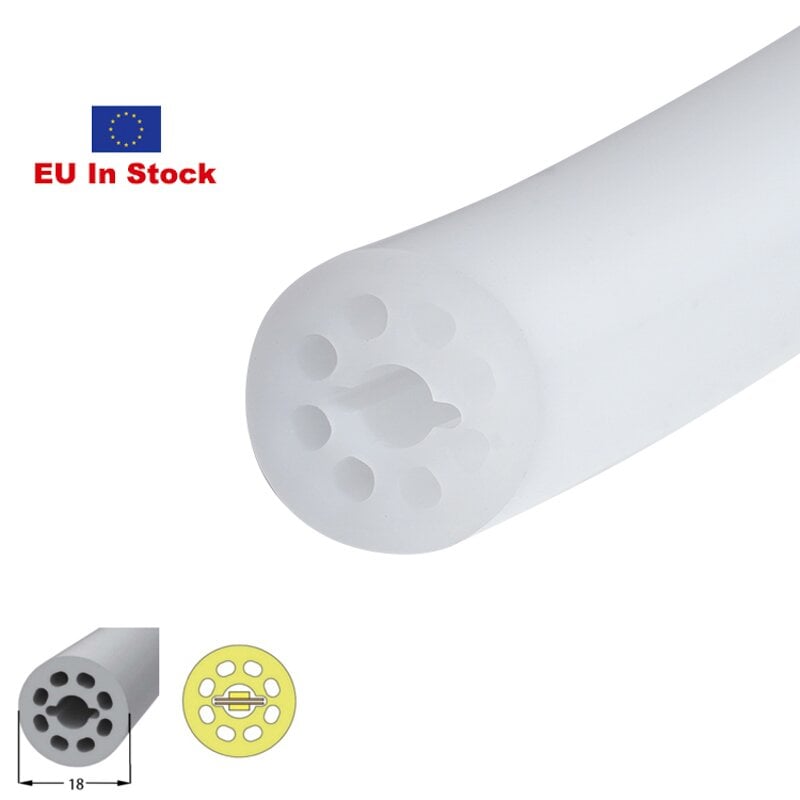
Waterproof LED neon lights are built tough with flexible silicone tubes and those little diodes encased in epoxy so they can handle whatever Mother Nature throws at them outdoors. These modern lights outlast traditional glass neon by about 3 to 5 times when it comes to dealing with rain, sun damage, and all those temperature changes throughout the seasons. Plus, they still shine brightly from every angle. Some research done in 2023 looked at businesses using these lights outside, and guess what? After going through almost two years of different weather conditions, around 92 percent were still working just fine without any issues.
Outdoor models feature:
Indoor variants lack these protections and typically fail within months when used outside, according to lighting industry failure rate data.
| IP Code | Protection Level | Real-World Application Example |
|---|---|---|
| IP65 | Dustproof + water jet resistant | Wall-mounted signs in rainy climates |
| IP67 | Temporary immersion (30 mins at 1m depth) | Festival lights near water features |
| IP68 | Continuous submersion at specified depth | Poolside or fountain installations |
IP68-rated fixtures are preferred for coastal projects, where they survive salt spray that corrodes lower-rated lights in under six months.
In the 2022 monsoon tests, IP67 LED neons kept working just fine even after sitting through three straight days of heavy rain, whereas the IP65 ones had some water getting inside. When it comes to places with lots of moisture in the air, sealed controllers are absolutely essential. A recent 2023 lighting safety study found that almost half (around 41%) of installation failures were because people forgot to include them. For those wanting to go deeper underwater, IP68 models can handle being submerged at about one meter deep without stopping. But most professionals suggest cutting that depth down by roughly a quarter if they want their lights to last longer without problems.
Waterproof LED neon lights function reliably from -40°F to 140°F (-40°C to 60°C), thanks to advanced thermal management and temperature-stable phosphor coatings. These features ensure consistent brightness in desert heat and arctic cold, as validated in industry testing of outdoor lighting systems.
Premium LED neon strips use polycarbonate diffusers with UV inhibitors, limiting color shift to less than 5% Delta E after 50,000 hours of sunlight. An accelerated aging study in 2023 found silicone-based tubing retained 98% of original luminosity after three years in subtropical climates.
Dual-layer silicone housing delivers IP68 protection while allowing 270° bending flexibility. It resists salt spray per ASTM B117 standards and withstands 50+ psi water jets–ideal for marine settings. Impact tests confirm no diode damage from hail up to 1" diameter traveling at 50 mph.
A Miami Beach resort achieved 98% operational uptime over two years despite constant salt air exposure. This performance is attributed to corrosion-resistant copper-free electrodes and pressurized diffuser channels that prevent moisture ingress.
The waterproof LED neon stuff has really changed how we brand outdoor events these days. According to some recent data from Outdoor Event Tech Report last year, around two thirds of all temporary setups now use those IP65 rated systems. The cool thing is these custom signs stay clearly visible even when it's pouring down rain, making them great for wedding photos or pointing people in the right direction at music festivals. Many event organizers are starting to use these modular LED neon pieces at pop up markets and community gatherings because they're so easy to work with. The silicone housing is super light weight, which means crews can rearrange everything quickly between different events. And there's actual proof too - a study done in 2023 showed that places using this waterproof neon cut down on setup time by almost half compared to older lighting options.
Flexible LED neon strips open up all sorts of creative possibilities that regular rigid lights just cant match. Because they bend so easily, people wrap them around trees, curve them over arches, even snake them along stage edges without losing that smooth, even light. Event planners love using the IP67 rated ones with magnetic backs especially when setting things up near water at those beachside weddings or lakefront parties where rain might be an issue. What makes these strips really stand out though is how convenient they are to store and reuse again and again for different gigs, something traditional bulbs simply dont offer since they tend to break after one big event.
More brands these days are putting motion sensors and app controlled color changes into their LED neon setups to create interactive experiences. According to a recent 2024 study, around 8 out of 10 people at events will hang around photo stations about 20% longer when there's personalized neon backdrop involved. The RGBW systems let businesses switch instantly between boring corporate colors and bright party colors. And those modular letters? They can display social media hashtags in real time, which is pretty cool for live events where folks want to share their experience online as it happens.
Professional installers recommend dual-layer waterproofing for connections–using both silicone sealant and heat-shrink tubing. Elevated mounting points and weighted bases prevent wind disruption, while centralized power hubs with GFCI protection reduce cable clutter. After events, a three-step cleaning process (brush, rinse, dry) preserves weather resistance across deployments.
Waterproof LED neon lights combine durability with artistic versatility, outlining garden contours with a 30% brighter glow than traditional rope lighting and performing reliably down to -22°F (-30°C). Architects use bendable silicone strips to accentuate stone pathways or modernize classical facades without compromising structural integrity.
| Technology | Color Range | Control Method | Common Applications |
|---|---|---|---|
| RGB | 16 million colors | Basic controllers | Accent lighting, mood setting |
| RGBW | + Pure White | Advanced controllers | Architectural highlights |
| DMX | Full dynamic control | Professional systems | Large-scale installations |
RGBW strips are used in 68% of landscape projects (Outdoor Lighting Trends Report 2024) due to their ability to switch between warm white ambiance and vivid hues–ideal for multi-use public spaces.
Homeowners create resort-like backyard environments using low-voltage LED neon along pool edges and pergolas. Cities employ synchronized DMX systems to reduce light pollution by 40% compared to floodlights, highlight historical landmarks with precision, and adjust brightness based on pedestrian traffic.
Seattle’s waterfront park replaced 5,000W halogen fixtures with 800W waterproof LED neon strips, achieving:
The system’s IP68-rated strips endure tidal spray and UV exposure while generating dynamic tidal-wave light patterns.
LED neon lighting beats traditional glass neon and rope lights when it comes to safety, how much energy they eat up, and just plain lasting longer. The whole thing is made from bendy silicone so there's no risk of shattering or dealing with dangerous mercury leaks. According to Simple Lighting research from last year, these LED options can cut power usage by as much as 80% while still shining just as bright. They hold up against pretty much anything thrown at them too. These lights won't crack under pressure, work fine whether it's freezing cold at -40 degrees Fahrenheit or scorching hot at 140F, and don't fade even after years of sun exposure. That makes them perfect for busy spots where people constantly bump into things and also those salty beachside locations where regular lights just give up after a few months.
Switching to LED neon lights can really save money in the long run. These modern signs last way longer than old fashioned neon tubes, often getting past 50 thousand hours of use. That means maintenance expenses fall dramatically, sometimes cutting down to around 30% of what they used to be after about a decade. Take a standard 20 foot sign for instance. The LED version only needs 60 watts to run compared to nearly 350 watts for traditional glass neon. According to Zanvis research from last year, businesses typically save well over $1,200 each year just on electricity bills alone. And when we look at IP68 rated models that stand up better against rain and snow, the need for replacements drops even more, which obviously saves cash too.
Modern LED neon integrates IoT capabilities for app-based color tuning, scheduling, and motion-responsive effects. Solar-powered systems now support off-grid installations, and recyclable silicone housings align with circular-economy goals. Manufacturers are adopting CO2-neutral production methods, reducing the carbon footprint of neon lighting by 45% compared to conventional glass manufacturing.
Artists and urban planners leverage LED neon’s flexibility for immersive public art. Interactive displays react to movement or environmental data, turning bridges and landmarks into nighttime spectacles. In 2023, Miami installed waterproof LED strips along a 1.2-mile seawall to create tidal-responsive light patterns–blending art with ecological monitoring.
 EN
EN