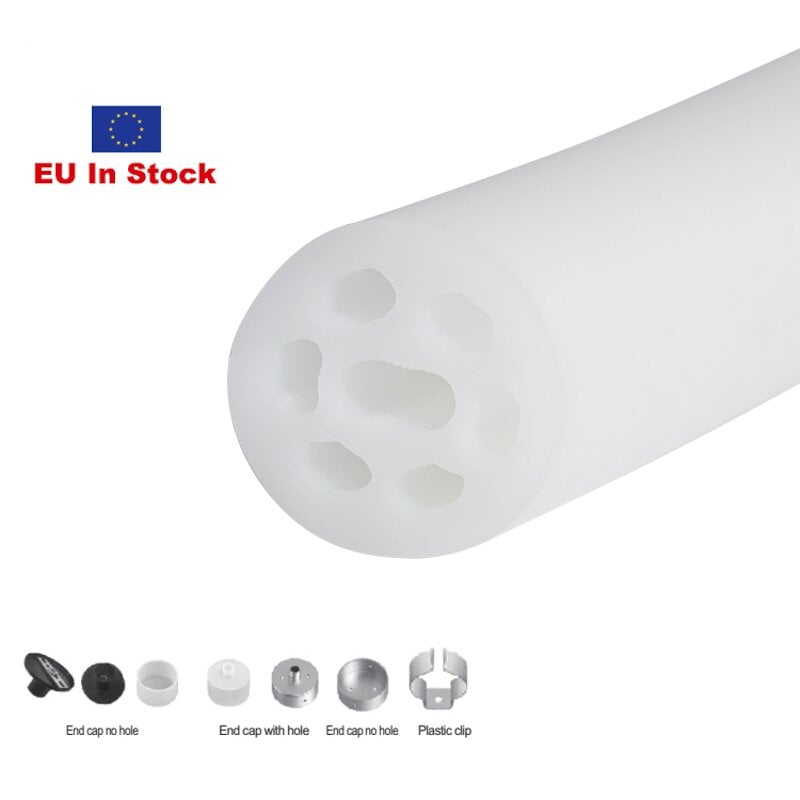
Businesses across the country are swapping out old school fluorescent lights and those traditional glass neon signs for something newer LED neon tubes instead. The versatility of these modern options lets interior designers craft all sorts of interesting shapes, moving designs, and custom logos that can change based on what's happening each day or special occasions. A recent report from Future Market Insights points out that commercial demand for this kind of LED neon lighting jumped about 18 percent last year alone. What makes this trend so popular? These lights manage to blend artistic expression with practical needs at the same time.
LED neon tubes consume 75% less energy than traditional neon while lasting 8–10 years with minimal upkeep. Their silicone-based construction eliminates the risk of glass breakage and gas leaks, reducing maintenance costs by up to 60% compared to conventional systems. This durability makes them ideal for high-traffic lobbies requiring reliable, round-the-clock illumination.
Modern LED neon systems integrate with smart building platforms, allowing facility managers to adjust brightness, colors, and animations via mobile apps. Programmable presets align lighting with business hours, holidays, or real-time occupancy data—enhancing both ambiance and energy savings.
Unlike traditional neon signs, LED neon tubes don't have mercury in them and are made from materials that can actually be recycled, which makes them compatible with those LEED and WELL building standards. They save energy too, cutting down on carbon emissions significantly. One installation alone can prevent about 740 kilograms of CO2 from entering the atmosphere each year. That's roughly what 17 fully grown trees would absorb over the same period according to figures from FMI in their 2024 report. Looking at industry trends, most businesses seem to be jumping on board with LED lighting solutions these days. Around eight out of ten companies are making LED their go-to choice if they want to hit those ambitious sustainability goals set for 2030.
Office lobbies today are ditching those old static plaques for something much more eye catching LED neon tube installations that really bring out a company's personality. The big names in this space have started using bendy LED neon tubes to recreate complex logos, important messages, and even local symbols at actual size. Take one major tech firm as an example they turned their famous hand sign into a massive 12 foot interactive neon piece right outside their LA offices. According to a recent survey on office design from 2023, people stopped by and interacted with this display 37 percent more than they did with regular signs. What we're seeing here is companies finding new ways to make their core values visible to everyone who walks through the door.
Using LED neon tubes that match specific colors helps make sure the lighting fits with what the brand wants. One big company decided to put the same look across all their office lobbies around the world. They went with this special amber neon color validated by Pantone, and made sure the text looked just like their official corporate font. Where things are placed makes a difference too. Putting horizontal strips of light above reception areas gives a feeling of steadiness, whereas vertical lights near elevator banks actually help people know where to go when they arrive. Some folks who study corporate branding say stuff like this can boost memory of the brand name by almost 30 percent over places without any particular theme. Not bad for something most people probably don't even notice at first glance.
Getting LED neon branding right actually comes down to knowing when to hold back. Banks like Chase and Bank of America have started going this route, putting simple colored borders around their digital screens instead of recreating whole logos in neon. Hotels tend to follow suit too, often placing short glowing phrases above check-in counters rather than covering entire walls with flashy displays. The 2024 edition of Commercial Lighting Design puts it pretty well: good corporate neon should function more like commas or periods than whole paragraphs. Too much flash can overwhelm what the brand is trying to say.
A Series B SaaS company replaced its cluttered vinyl wall graphics with a backlit LED neon tube rendition of their abstract owl logo. The redesign achieved:
| Metric | Before | After | Change |
|---|---|---|---|
| Visitor Recall Accuracy | 58% | 89% | +31% |
| Employee Pride Score | 6.2/10 | 8.7/10 | +40% |
| Social Media Mentions | 12/mo | 47/mo | +292% |
The 3D-formed neon tubes created depth through layered illumination while maintaining a clean, professional aesthetic—proving that even startups can leverage LED neon branding without compromising sophistication.
Most lobby signs we see today are still those old school engraved plaques or those boxy backlit displays that just sit there doing nothing special. But things are changing fast with LED neon tubes entering the scene. These new lights can be programmed to show different colors and patterns, plus they come in pieces that fit together however needed. According to some research from last year's Corporate Signage Report, around two thirds of people actually find their way around buildings quicker when following these moving LED signs rather than standing next to boring old static ones. Architects love working with these flexible silicone LED tubes because they can shape them into all sorts of cool directions indicators or make paths light up and pulse depending on how busy certain areas get during different times of day.
Effective LED neon lobby signage balances three core metrics:
Recent research shows LED neon tubes achieve 30% higher visibility scores than traditional backlit signs in office environments.
Companies that want to stand out are getting creative with LED neon these days, blending signs into actual works of art. Take for instance those sharp angled pieces that look just like the hexagon logo of some tech startup across town. On the flip side, there's the flowing script style neon that makes waiting rooms at consulting offices feel less corporate and more welcoming. What really matters though is how different materials work together. Satin finish aluminum works wonders behind clean lines and geometric shapes, but when it comes to curvy, nature inspired designs, nothing beats those frosted acrylic panels that let the light diffuse in all directions.
A New York legal practice replaced outdated brass directory plaques with slim LED neon tubes tracing the path to conference rooms. Using 4000K white lighting and discreet floor-level mounting, the system:
This strategic implementation demonstrates how low-profile LED neon solutions can enhance functionality without compromising professional decorum.
When done right, LED neon becomes part of the overall design scheme for lobbies instead of something tacked on later. Technicians working on those sleek steel and glass atriums often go with silver channel mounting because it keeps that modern industrial look consistent throughout the space. For areas with wooden paneling, they tend to install warm white LEDs around 2700K to 3000K temperature range inside recessed walnut boxes so the light comes out softly without being too harsh. What makes all this work is how seamlessly integrated everything looks – people walking by don't think "oh there's some new sign" but rather see it as just another element in the room's design fabric.
The latest LED neon tubes with RGB features let office spaces change moods on a dime from bright morning blues to warm evening tones that feel almost like golden hour. The color matching is pretty impressive too, hitting around 97% accuracy across millions of different hues. This means reception areas can switch up their look for holidays or special occasions, creating those movie-like lighting setups that really grab attention. Some advanced systems go beyond basic colors and actually mimic how sunlight changes throughout the day. A big name corporation saw something interesting happen when they installed these sunset simulations - people stayed in their lobby area about 22 percent longer than usual, which makes sense since who doesn't want to linger under beautiful lighting?
Tunable white LED neon tubes (2700K–6500K) synchronize with biological clocks, using cool 5700K tones to boost afternoon focus and warm 3000K hues to ease evening transitions. Circadian lighting research shows these systems improve melatonin regulation by 34% compared to static 4000K fixtures, making them ideal for WELL-certified workplaces.
| Scenario | Recommended CCT | Effect |
|---|---|---|
| Corporate Banking | 4000K | Neutral professionalism |
| Creative Agencies | 3000K | Inviting warmth |
| Healthcare | 5000K | Clinical clarity |
Old school neon signs are basically glass tubes packed with mercury vapor mixed with other gases, which makes them prone to breaking and creates serious safety issues when they do. The newer LED alternatives use bendy plastic materials combined with those energy efficient LED lights instead. These don't break like traditional ones and last way longer too. According to some recent studies looking at different lighting technologies around 2024 timeframe, businesses switching to LED neon saved roughly 70 percent on maintenance expenses compared to regular neon. This is because LED versions handle changes in temperature much better and can take quite a beating without cracking or malfunctioning, making them ideal for places where vibrations or extreme weather conditions might otherwise spell disaster for traditional signage.
Real neon might cost less initially for materials, but when it comes to saving money down the road, LED neon tubes are really where it's at. These LED versions use around 80 percent less power and they stick around 3 to maybe even 5 times longer than traditional ones. We're talking about something like 50 thousand plus hours compared to just 15 thousand hours for regular neon. According to some research done on business lighting expenses, companies that made the switch saved roughly twelve dollars per square foot across five years. That figure takes into account both lower electricity bills and the fact that there's no need to replace broken glass anymore since LEDs don't come in fragile tubes.
The mercury found in real neon signs makes their disposal a complicated process, and when those glass tubes break during handling or installation, they become waste that simply cannot go into recycling bins. On the other hand, LED neon options come with housings made from either silicone or PVC materials that are completely recyclable, plus they contain non-toxic LED elements which many companies find attractive for meeting their environmental, social and governance (ESG) objectives. What's even better is that manufacturers report being able to reuse around 90 percent of all LED neon parts through their own collection programs. Traditional neon systems only manage about 35% reuse rates according to industry data, making LED alternatives not just greener but also more economically sensible in the long run for businesses looking at sustainability metrics.
These days, advanced LED diffusion methods can get pretty close to matching the look of real neon lights, hitting around 95% similarity in how they appear to the naked eye. Some old school lighting experts still spot tiny differences when looking really closely at color depth, but the new RGBW LED tubes let designers create colors that just aren't possible with traditional gas filled neon tubes. What's making this work so well are these newest frosted silicone coatings that basically wipe out that annoying "dot matrix" look people used to complain about. The result is lighting that flows smoothly without any visible gaps or patterns, which makes them great for store fronts, logos, and other brand visibility projects where consistent illumination matters most.
A design studio in Manhattan swapped out their old mercury-based neon wall art for custom made LED neon tubes. The look stayed pretty much the same visually, but now everyone's a lot safer around it. What really stands out though is how these new LED lights can be programmed to create different lighting effects during client meetings. This flexibility actually cut down on electricity bills by nearly two thirds each year. After they installed everything, they did some quick check-ins with people who visited the space. Most folks said around 9 out of 10 thought the LED version still felt just as genuine as those vintage neon signs they remember from decades ago.
 EN
EN