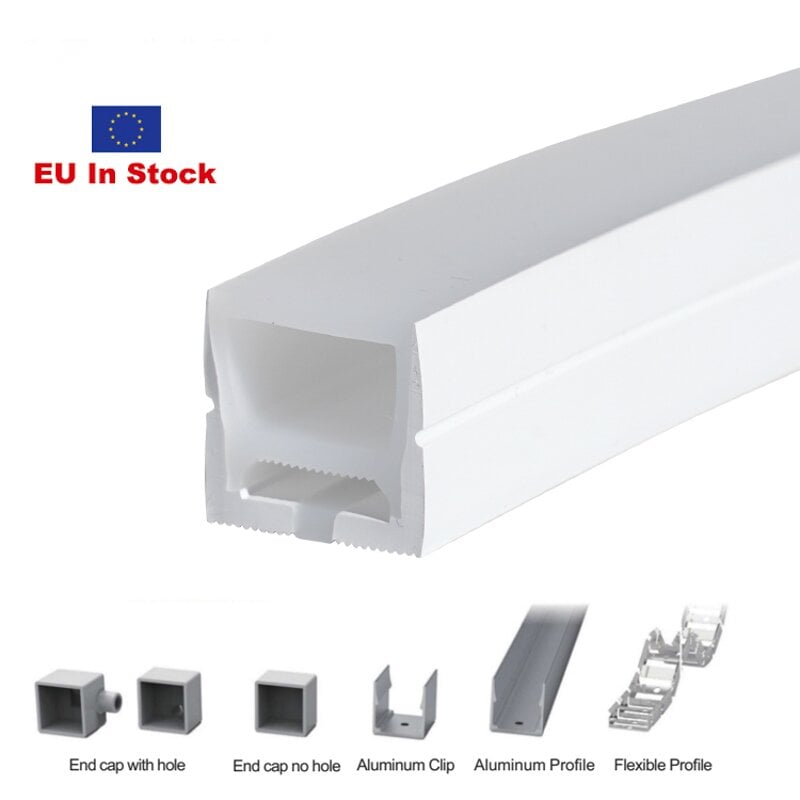
LED neon strips today create that classic neon look but work differently inside. They use flexible silicone tubing filled with tiny LED lights instead of the delicate glass tubes from old school neon signs. These modern strips can actually bend around corners without breaking and handle bumps and knocks much better than traditional neon while still putting out even light across their length. Looking at recent market trends, most businesses have switched to LED for their outside lighting needs. According to industry reports from last year, around three-quarters of all outdoor lighting installations now feature LED neon technology. Why? Well, these lights last about 50 thousand hours before needing replacement and eat up roughly 80 percent less electricity than older lighting solutions. That kind of efficiency is hard to beat when running costs matter so much.
Four elements define high-performance systems:
The global outdoor LED flex market grew 22% year-over-year in 2023 (Allied Analytics Report), driven by architectural lighting and commercial signage demand. Hospitality venues use waterproof neon strips for all-weather ambient displays, while municipalities deploy them in vandal-resistant street art installations.
Knowing what those IP numbers mean helps determine if neon lighting can handle tough weather outside. The IP65 rating means these lights can take on light rain or splashing without issues, which works well in places like shaded decks or under eaves where occasional water might get through. For gardens that see heavy downpours or near swimming pools, IP67 rated options are better since they can deal with being submerged briefly up to around a meter deep. And then there's IP68, which is basically waterproof for good. These super durable lights stay functional even when completely underwater for extended periods, making them great choices for fountains, ponds, or any installation right along the beach where saltwater spray is constant.
Key construction differences include:
According to lighting engineers, IP67 offers the optimal balance for 82% of outdoor projects—resilient against seasonal weather without excessive cost. Coastal installations with saltwater exposure often require IP68, while IP65 suffices for sheltered signage.
Waterproof neon strips are changing how businesses brand themselves outdoors thanks to their tough build that resists vandalism and delivers better than 95% color accuracy most of the time. The flexible silicone casing lets them wrap around all sorts of surfaces from rounded shop fronts to weirdly shaped buildings, something regular lights just can't do. Plus those special IP67 seals keep water out even when it's raining cats and dogs. What makes these strips stand out compared to old-fashioned neon? They run on low voltage and stay bright at between 500 to 1500 nits for well over 50 thousand hours without breaking like fragile glass tubes used to. No more worrying about shattered glass or flickering lights after a storm.
Outdoor LED neon flex increases nighttime brand recognition by 73%, with its uniform glow visible from over 300 feet. Strip-based systems allow precise replication of corporate colors (ΔE <3) across channel letters and monument signs, ensuring brand consistency. Hospitality venues using perimeter neon lighting report 28% longer customer dwell times.
RGBW neon flex enables 16 million color combinations programmable via smartphone apps or CMS platforms. Quick-service restaurants using hue-shifting signage for menu promotions achieve 19% higher upsell conversion rates. Weatherproof addressable pixels support animated effects without compromising the IP67 seal.
Modern 24V neon strips consume 2.8W/ft—60% less than glass neon—while delivering 150 lm/ft output. Smart controllers with motion sensors and dawn-dusk timers reduce energy waste by 34% in 24/7 installations. Modular designs enable localized repairs instead of full system replacements when damage occurs.
Landscape architects these days are getting creative with waterproof neon strips, blending practical needs with real artistry in their designs. The flexible LED systems do all sorts of things like tracing building edges, lighting up ponds and fountains, and setting moods with soft background illumination. According to a recent industry study from last year, around two-thirds of commercial landscaping jobs now incorporate this LED neon flex stuff for marking property lines because it stands up well against sun damage and lasts forever basically (something like 50 thousand hours). Many professionals recommend these waterproof options specifically when working with natural stones since they bring out those beautiful textures without causing harsh reflections. Just ask anyone who's walked past a garden at night where the stones seem to glow from within – that's what good lighting can do!
Many homeowners are turning to IP67 rated neon strips these days to create cozy outdoor spaces after dark. People love installing them underneath decks where they can really cut down on trip hazards. Some studies from last year actually showed a 42% reduction in accidents there. Another big spot for these lights is around swimming pools since they handle chlorine just fine without fading away. Most folks going this route opt for low voltage systems running at 24 volts. These account for about three-quarters of all home installs nowadays because they save power and don't require constant tinkering like older models did. The lower electricity bill plus easier upkeep makes them pretty attractive for anyone looking to light up their backyard without breaking the bank.
This tiered approach reduces power consumption by 35% compared to traditional floodlights while creating visual depth.
A coastal Florida community replaced metal-halide path lights with silicone-jacketed neon flex, cutting energy use by 58% (2024 Energy Star report). The IP67-rated system showed zero moisture ingress despite 72 inches of annual rainfall, with maintenance costs dropping 30% year-over-year.
From undulating museum exteriors to historic building restorations, neon strips enable millimeter-precise illumination. A 2022 survey by the Illuminating Engineering Society found dynamic RGB installations increased public engagement metrics by 41% in urban renewal projects.
Leading municipalities mandate lighting below 3000K CCT and use shielded neon strip designs to reduce skyglow. The International Dark-Sky Association certifies fixtures that limit upward light waste to less than 2%, achievable through directional LED neon profiles with anti-glare diffusers.
Waterproof neon strips require UV-resistant materials to withstand prolonged outdoor exposure. High-grade polycarbonate casings prevent yellowing and brittleness, maintaining 85–90% of initial brightness after five years according to accelerated weathering tests (Polymer Degradation Studies 2023).
IP67-rated neon strips function reliably in driving rain (submersion up to 1 meter for 30 minutes) and temperatures ranging from -40°C to 80°C. Leading waterproofing specialists recommend double-sealed silicone end caps to prevent condensation-related electrical faults in humid climates.
| Factor | Impact on Neon Strips Light | Mitigation Strategy |
|---|---|---|
| Brightness >6,000cd/m² | Accelerated polymer breakdown | Pulse-width modulation drivers |
| Daily thermal cycling | Adhesive layer delamination | Thermal-break mounting clips |
| Saltwater exposure | Copper conductor corrosion | IP68 marine-grade coatings |
Biannual inspections of connectors and diffusers reduce failure risks by 63% (Lighting Maintenance Report 2024). Proactive replacement of gasket seals before visible wear doubles waterproofing effectiveness in tropical environments.
Moisture ingress accounts for 74% of field failures (Outdoor Lighting Consortium 2023). Implement moisture-wicking breather valves in end caps and specify UL-listed waterproof connectors rated for 10+ years of UV exposure.
 EN
EN