Lighting in 2026 has moved far beyond simply chasing the highest lumen count. The real challenge today is balancing visual comfort, energy efficiency, and long term reliability all at once. Over the past few years, several property managers have shared the same frustration with me: they invested in cheap, high brightness fixtures only to face eye strain complaints in the office or frequent driver failures in the warehouse. The root cause was almost never the LED chip itself. It came down to poor optical design, mismatched beam angles, and inadequate thermal management. A professional lighting plan now demands fixtures that deliver ultra low glare, high color rendering, and durable construction. This is exactly why compiling a go-to list of the most impactful LED types becomes so useful. Whether you are refreshing a cozy living room or upgrading a sprawling commercial complex, getting these ten fixture categories right will transform any space.
The first layer of any great lighting plan is ambient illumination that feels effortless. For this, the LED panel light and the LED linear pendant light have become the standard bearers. A classic 600x600mm LED panel, when using a quality diffuser and an edge-lit or back-lit design, achieves a UGR below 19. That is not just a technical spec; in a real office fit-out, it means employees can stare at screens for hours without the subtle headache caused by harsh reflected glare. On the other hand, the LED linear pendant or surface mounted linear light brings a minimalist architectural statement to residential kitchens and boardrooms alike. The slim continuous lines create a clean, joint-free wash of light. From a professional standpoint, look for panels with a flicker-free driver and linear lights that offer seamless end to end connection. Those two details alone separate premium results from flickering, uneven runs that kill the desired aesthetic.
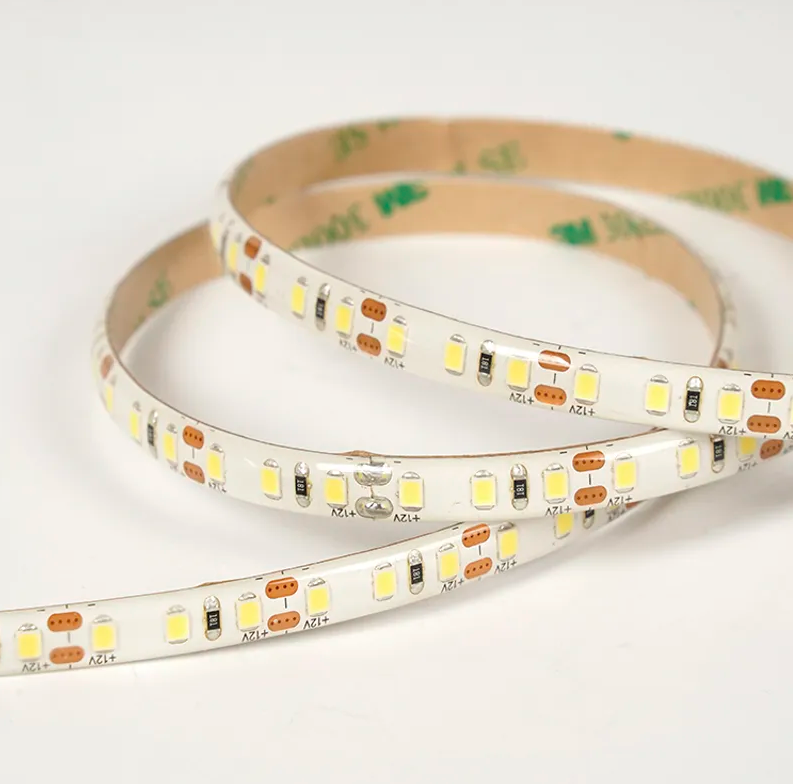
Once the base layer is set, you need directed illumination where specific activities happen. The two champions here are the LED downlight and the under cabinet LED strip. A properly placed adjustable or fixed downlight over a kitchen island or a reading nook completely removes the frustration of working in your own shadow. An install I reviewed recently used 95 CRI downlights with a 24-degree beam angle above a butler’s pantry. The homeowner noted that slicing vegetables no longer required tilting them toward a window to see the true color. Meanwhile, an under cabinet strip tucked into a shallow aluminum profile turns a dim countertop into a fully functional workspace. The key is to use a strip with a dense chip count, typically 120 LEDs per meter or more, to avoid dotted reflections on polished stone. These are not fancy extras; they are functional tools that make daily routines more comfortable and accurate.
Accent lighting is what truly defines an upscale interior. To create visual hierarchy, three LED types stand out: the LED track light, the LED wall washer, and the flexible LED strip housed in an aluminum profile. A track light with a narrow beam can pinpoint retail merchandise or artwork, creating a brightness ratio that naturally draws the eye. LED wall washers, on the other hand, use an asymmetric optic to graze textured stone or feature walls with a perfectly even sheet of light, hiding any imperfections. Then comes the workhorse of indirect lighting: the flexible LED strip. But here is a hard won professional insight; running a high density strip inside a quality aluminum profile with a frosted diffuser cover transforms a strip’s lifespan and visual output. It eliminates the dotted hot spots and pulls heat away from the diodes, which maintains consistent brightness for years. Without the profile, even a premium strip will look amateurish and fade prematurely.
Moving into the backbone of commercial infrastructure, three heavy duty fixtures complete the top ten list: the LED high bay light, the LED flood light, and the LED tri-proof batten. A logistics center that switched from 400W metal halide high bays to 150W LED high bays saw not just a 60% energy cut, but also a drastic reduction in maintenance calls because the long lifespan of a properly heatsinked high bay eliminates the bulb change cycle. LED flood lights with a IK08 rating and a tempered glass cover provide wide area security illumination on building exteriors without the dark spots that older sodium lamps were famous for. For parking garages, loading docks, or any damp and dusty environment, an LED tri-proof batten with an IP65 rating is non-negotiable. It prevents moisture ingress that corrodes terminals, which is the single biggest cause of failure in underground facilities. These fixtures are about reliability and safety first.
The final piece of the 2026 lighting puzzle is smart integration, especially in tunable white strips and connected linear systems that adjust color temperature from a warm 2700K to a cool 5000K. But having access to all these great fixture types means nothing if sourcing them is a logistical headache. This is where a dedicated manufacturing partner changes the game. LightWolf has built a complete supply chain around these exact ten LED categories, from precision extrusion for aluminum profiles to rigorous aging tests on high bays and floods. Instead of dealing with multiple suppliers who offer mismatched color temperatures and lead times, specifiers can draw from a single, cohesive ecosystem. LightWolf’s vertical integration keeps tolerances tight, whether a project demands 500 meters of seamless linear light or a batch of custom wattage floodlights. That kind of end to end control ensures that the specification on the datasheet is exactly what gets installed on site, making brilliant, long lasting illumination a guarantee rather than a hope.
 EN
EN