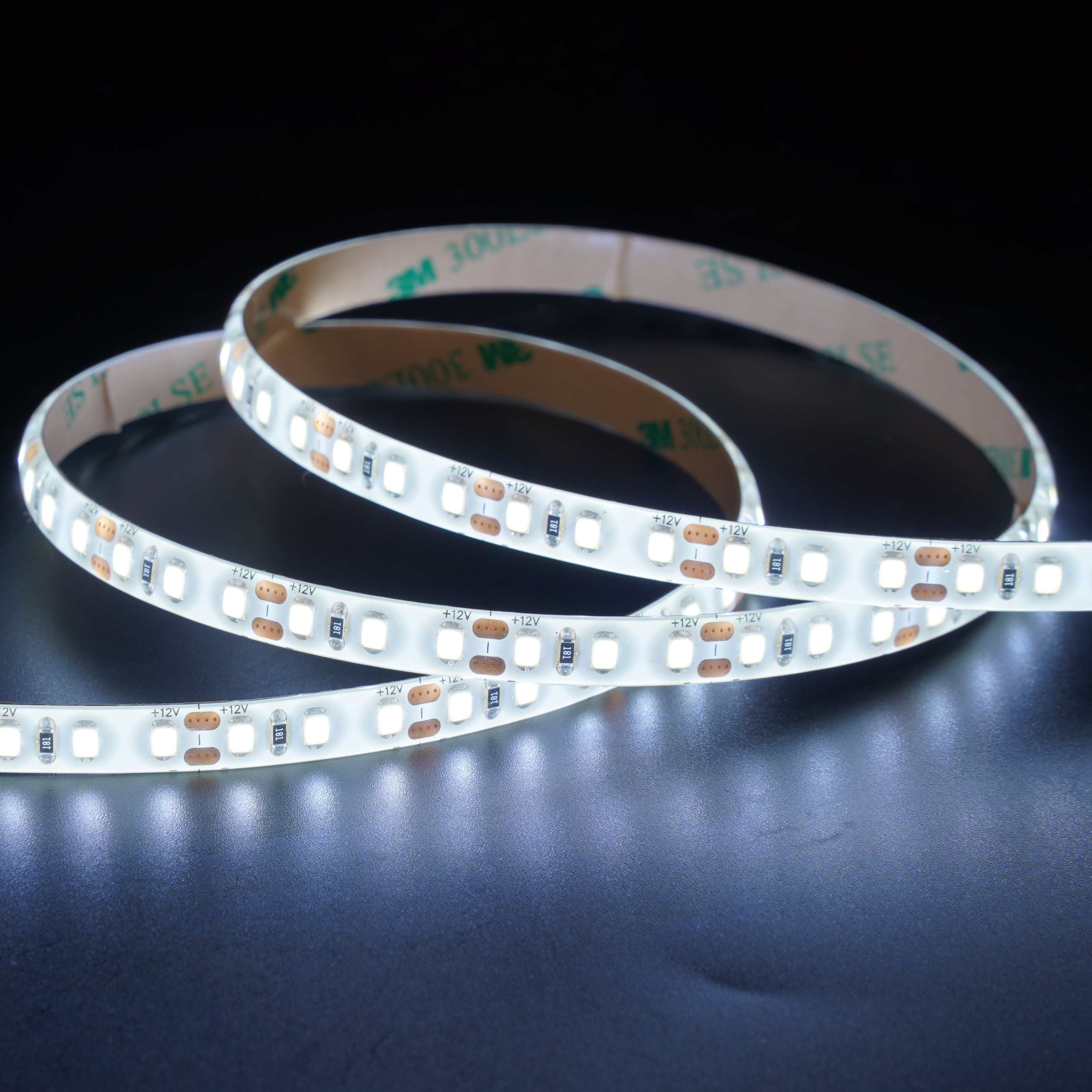
LED strip lights that can be dimmed actually do wonders for guests' overall comfort since they work with our body's natural clock. When these lights adjust their brightness throughout the day, going from bright whites (around 5000K) in the mornings to warmer tones (about 2700K) when it gets dark outside, it helps control how much melatonin our bodies produce. This means better sleeping patterns and people staying more awake during the day. What makes these lights really special is that they create even lighting all along hallways without any shadows or dark spots. No one gets confused about where they are going because everything looks consistent. During emergencies, hotels have noticed guests evacuate up to 40% faster than places with patchy lighting setups according to some studies on hotel safety. Plus, the long straight design guides people naturally towards important areas like exit signs, elevators, and room numbers which keeps everyone safer and calmer during stressful situations.
Switching from old fluorescent tubes to dimmable LED linear lights can slash energy consumption anywhere from 60 to 80 percent while making the bulbs last over 50,000 hours - that's roughly 25 times longer than traditional incandescents. These modern lights are built differently too, so they run reliably day and night without any annoying flickering or buzzing sounds that might bother guests in hotel lobbies or restaurants. Traditional lighting systems need constant attention as bulbs burn out regularly, but LEDs keep putting out the same amount of light year after year. This consistency alone saves hotels around $740,000 each year when managing a property with 500 rooms according to research from Ponemon Institute back in 2023. The smart dimming feature takes things further by cutting down brightness automatically when there aren't many people around. Plus, since these lights don't contain mercury and generate far less heat compared to older options, they're not just better for the bottom line but also much safer for both staff and customers.
Good lobby lighting isn't accidental - it needs careful layering to work right. Tunable LED strips provide the basic background light that makes sure guests can see where they're going without feeling overwhelmed. These ambient lights create a comfortable foundation throughout large areas. Then there's accent lighting which draws attention to special features like unique architecture elements or carefully selected art pieces around the space. This helps people orient themselves naturally as they move through the area. For specific tasks, we need focused lighting at places like front desks and service counters so staff can work efficiently without squinting. The whole system works together dynamically too. During busy check-in times, task lights can be cranked up for better visibility, while in the evenings we switch to softer, warmer tones that help guests unwind after a long day. According to recent research published in Hospitality Design Journal last year, this layered approach cuts down on guest confusion by about 40% compared to flat lighting setups, and saves roughly 35% on electricity bills as well.
Tunable LED linear lighting has become a powerful tool for branding in commercial spaces. Designers can shape fixture profiles according to what the architecture needs - long continuous lines work great for modern minimalist looks while segmented designs fit better with older buildings wanting to maintain their historical charm. When it comes to color temperature adjustments between 2700K and 5000K, these settings really help define the brand personality. Warm white lighting creates feelings of luxury and comfort, whereas cooler tones tend to communicate efficiency and cutting edge innovation. Systems with RGB capabilities open up even more possibilities for businesses looking to create different atmospheres throughout the year for holidays, sales campaigns, or special occasions. A recent study published in Environmental Psychology Review found that properly tuned lighting environments boost brand recognition rates by around 28 percent and keep customers lingering longer, with an average increase of 22% in how long guests stay.
Picking the best dimming system really comes down to what kind of property we're talking about, how big it is, and what the long term plans are for building management systems. DALI-2 works great for those massive properties like resorts and convention hotels that have over 200 rooms. The two way communication lets us control each light individually, create precise zones throughout the space, and tie everything into the main building management system. But there's a catch - this setup needs special cabling installed from day one during construction. Smaller places like boutique hotels or older buildings getting only part of their lighting updated often go with 0-10V analog dimming because it's straightforward and cheaper upfront, even though we can't control lights individually just in groups. Then there's Bluetooth Mesh which shines in situations where running wires isn't possible, especially in historic buildings or ones with tricky architecture. It uses these little relay nodes to get around wiring issues, but be warned - in buildings made mostly of concrete walls, signals might not reach all areas without adding extra repeaters somewhere. So here's my take: go with DALI-2 if starting fresh with a building management system in mind, stick with 0-10V when money matters most for renovations, and turn to Bluetooth Mesh whenever tearing apart walls simply isn't an option.
Gradient dimming makes corridors much easier to navigate because it changes light levels gradually along walking paths. Lights tend to be brighter around elevator banks and stairs, then get softer as people approach doorways into rooms. Studies show this kind of lighting cuts down on guest confusion by about 40 percent when compared to flat, even lighting throughout. Plus, guests don't need constant signs telling them where to go since the lighting itself guides them naturally. The way space flows also matters a lot. Fixtures placed just right help create distinct areas for different functions. They signal when someone should pay attention at crossroads but also make transitions smoother into quieter spots like lounges or dining areas. Combine all this with motion detectors and systems that take advantage of natural daylight, and energy savings can reach around 60 percent. These smart lighting setups adjust automatically based on what time it is and how busy the area gets. What we end up with is a noticeably better experience for guests who find their way around effortlessly, feel connected to the hotel's branding, and enjoy a more pleasant atmosphere overall. This becomes particularly important during busy check-in periods when hundreds of guests arrive simultaneously.
 EN
EN