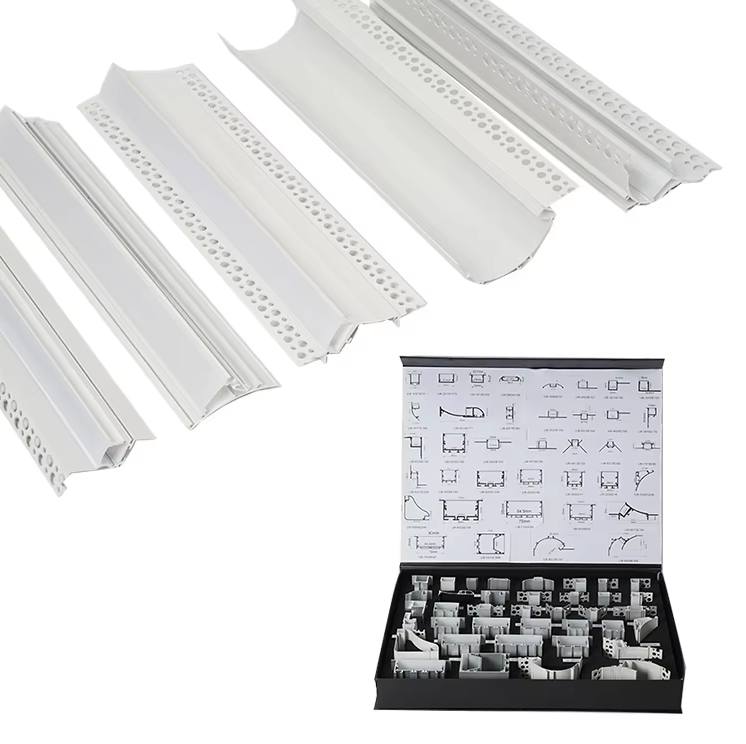
Lighting for commercial areas needs to work well in all sorts of different settings. Custom LED strips are just what the doctor ordered for this problem. These light profiles fit right into everything from shop window displays to hotel hallways and even building exteriors. They scale nicely whether it's a small store window or a huge atrium spanning several floors. The real benefit here is creating the exact atmosphere a brand wants without making installation a nightmare. Standard lighting options have trouble handling those awkward curved ceilings or weird shaped walls, but custom made profiles handle these situations thanks to smart design work. Stores say their display changes happen about 40 percent quicker when they switch to modular systems. Hotels can create completely different moods in their spaces something regular lights just cant do. Architects love how these profiles keep lines looking clean without showing any ugly brackets or mounting hardware.
When it comes to high performance commercial LEDs, there are really three main things that matter most: how strong they are structurally, how well they handle heat, and what they look like aesthetically. Aluminum extrusions stand out here because they can withstand impacts way better than plastic options – talking around 3 times stronger actually – which makes them ideal for places where people walk all over the floor. Heat management is another big deal since this directly affects how long the lights will last. If the system can properly dissipate heat, we're looking at maintaining about 90% of original brightness even after 50 thousand operating hours according to those LM-80 tests everyone references. Then there's aesthetics. The ability to match colors, create different textures on surfaces, and hide light sources completely behind panels allows lighting solutions to fit right into whatever brand image needs to be maintained. Most designers spend a considerable amount of time tweaking these aspects until everything works together smoothly.
| Factor | Commercial Impact | Standard Solution Gap |
|---|---|---|
| Structural Rigidity | Vibration resistance in transit zones | Frequent maintenance needs |
| Thermal Conductivity | Prevents premature dimming in enclosed spaces | 30% shorter lifespan |
| Finish Customization | Brand-aligned appearances (e.g., matte bronze) | Limited color options |
This convergence allows architects to meet technical performance and visual design goals simultaneously—without compromise.
When it comes to making custom LED strips, 6063-T5 aluminum has become the go-to material across the industry because nobody else matches its balance between how well it can be shaped during extrusion and how effectively it conducts heat away from components. The stuff just works so well when forming those intricate shapes needed for modern lighting applications, achieving tolerances as tight as plus or minus 0.1 millimeter which means everything lines up perfectly with building features. Thermal conductivity ranges from around 200 to 215 watts per meter Kelvin, which beats almost every other metal on the market. This matters a lot since LEDs running inside these profiles stay about 15 to 20 degrees Celsius cooler than they would in plastic enclosures. Cooler means longer life too - tests show these LEDs keep putting out 95 percent of their original brightness even after clocking 50 thousand operating hours according to LM-80 standards. And let's not forget the composition itself contains magnesium silicide, giving the profiles both strength and lightness weighing somewhere between 1.5 and 2.5 kilograms per meter length. That makes all the difference when installing them overhead or working on big projects where weight becomes a real concern.
| Finish Type | Durability Advantages | Aesthetic Flexibility |
|---|---|---|
| Anodizing | 25–30% harder surface, superior corrosion resistance in humidity | Limited metallic shades (champagne, bronze, black) |
| Powder Coating | 30% thicker protective layer, impact-resistant finish | Full RAL/Pantone color matching, textured options |
The anodizing process creates a strong oxide layer that bonds at the molecular level, making it perfect for places where moisture is a concern such as hotel lobbies or spa facilities. When it comes to powder coating, the electrostatic method allows brands to get their colors just right on metal surfaces. These coatings come in UV stable versions too, so the colors stay true looking good for maybe ten years or so without fading. Both these finish options make aluminum surfaces much harder to scratch compared to untreated metal about 60% better actually. They also help control how light spreads across surfaces, something really important when designing spaces that need even lighting throughout, especially in upscale commercial settings.
Selecting the right mounting method ensures optimal performance, accessibility, and visual harmony across demanding commercial settings. Five core approaches address distinct structural and aesthetic requirements:
Each method preserves the LED strip profile’s thermal efficiency and structural integrity—ensuring long-term reliability without sacrificing design intent.
Proper temperature control matters a lot for commercial LED setups because when things get too hot, the lights start losing their brightness faster and their colors change over time. Aluminum profiles used for LED strips actually work as built-in cooling systems thanks to how good aluminum conducts heat (around 201 W/mK). This helps keep those tiny LED components cool enough, typically under 85 degrees Celsius. Tests following LM-80 standards show that staying within this temperature range makes LEDs last twice as long, going from about 25 thousand hours to well over 50 thousand hours, all while still putting out at least 90% of their original light output. On the flip side, poor heat management can lead to losing around 30% of brightness after only 15 thousand hours and basically halves the expected life span. The way aluminum housings pull heat away from these delicate LED chips means better performance overall, fewer times needing replacement, and lights that look good for much longer periods in places like stores, hotels, and buildings where lighting matters a lot.
 EN
EN