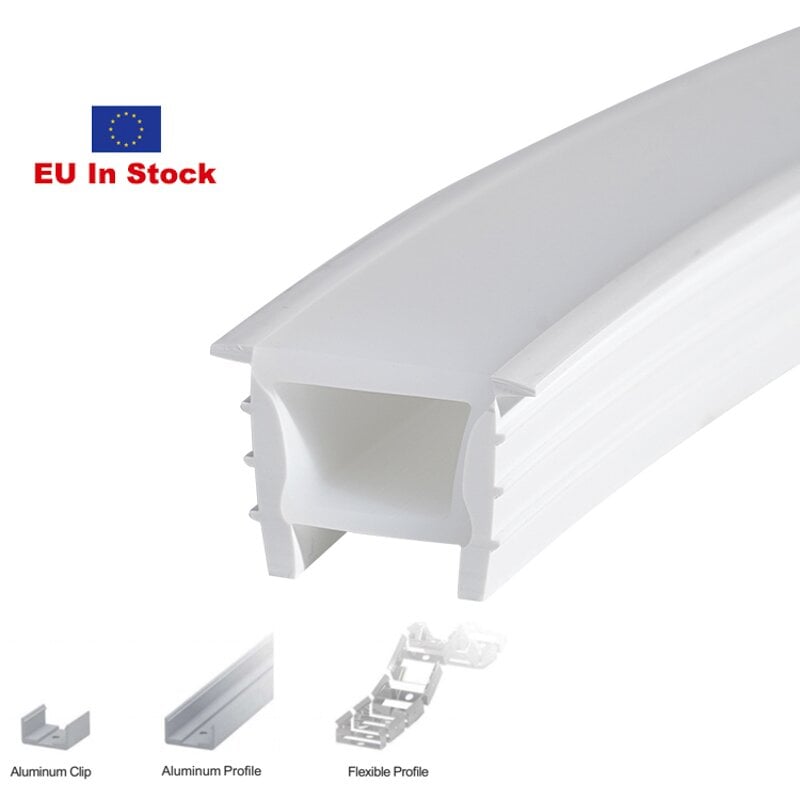
Originally just a fancy touch for those upscale boutiques, neon lighting has really taken off in contemporary interior design circles. Today's neon strip systems come packed with features like addressable LEDs, internet connectivity through IoT technology, and control via smartphone apps something unimaginable compared to those basic single color vinyl tubes we saw back in the early 2010s. The growth trajectory here mirrors what's happening across the smart home market overall, where adoption rates jumped about 31% last year alone according to various industry analyses. Pretty impressive how far this simple lighting concept has come.
The latest neon strip lights work pretty well with smart home systems through things like Zigbee and Matter protocols. People can get their lighting to talk to security setups so when there's movement around the house, blue lights pop on as warnings. Some folks even set theirs to change brightness depending on what's playing on TV. According to a recent connectivity report from 2024, families who have all their lighting connected together tend to be about 40 percent happier with how their automated stuff works compared to people still using separate gadgets.
| Sector | 2020 Adoption | 2024 Projection | Key Driver |
|---|---|---|---|
| Residential | 18% | 42% | DIY smart home upgrades |
| Hospitality | 35% | 68% | Mood-based customer experiences |
| Office Spaces | 12% | 39% | Productivity-focused lighting |
The customizable LED neon lighting market is projected to reach $7.8B by 2024, growing at a 22% CAGR since 2020 according to Verified Market Reports. Demand spiked in 2022 when 61% of home renovators prioritized "adaptive ambiance" features.
Architects now specify neon strips light for both practical task lighting (under-cabinet kitchen illumination) and atmospheric effects (color-shifting ceiling coves). The same technology that helps retailers highlight merchandise also enables homeowners to create circadian-friendly lighting schedules—a versatility driving cross-market adoption.
Smart neon strip lighting systems now work with voice assistants, completely changing how people manage their home lighting. With devices from Amazon and Google, homeowners can tweak brightness levels, flip between different lighting modes, or trigger preset scenes just by speaking naturally. Someone might say something like "Hey Google, put my neon lights in sunset mode" while cooking dinner or watching a movie. The convenience really shines through in places where reaching for a phone feels awkward, like when someone's washing dishes in the kitchen or trying to find good seating in a dimly lit restaurant. According to some recent studies on smart homes, around two thirds of folks surveyed actually favor talking to their devices instead of fiddling with apps for everyday lighting tweaks. Makes sense really, since nobody wants to hunt for their phone when they're already busy doing something else.
Most systems sync within 90 seconds, though firmware updates before pairing are recommended for optimal performance.
Field tests show an average response time of 1.2 seconds for dimming commands across Alexa-compatible models. Multi-room setups perform reliably up to 25 feet from smart speakers, with latency under 0.8 seconds in open-concept layouts.
Manufacturers enhance data security through end-to-end encryption, local processing of commands (reducing cloud dependency), and regular over-the-air patches. Always confirm your system complies with IEC 62443-4-1 cybersecurity standards before installation.
Mobile apps offer precise control over brightness, color temperature, and dynamic effects. Leading systems support real-time adjustments via Wi-Fi or Bluetooth, with 86% of users citing app-based dimming as essential in 2024 smart lighting surveys. Advanced platforms also deliver firmware updates, ensuring compatibility with Apple HomeKit and Matter ecosystems.
Pairing typically involves three steps:
Setup usually takes under five minutes, though temporary placement testing is advised before permanent mounting.
Users can program sunrise simulations, trigger scenes via geofencing, or enable vacation modes that randomize patterns to deter intruders—demonstrating how app control merges functionality with security.
To prevent complexity overload, developers use visual dashboards with drag-and-drop scene builders, contextual tooltips, and one-tap syncing with voice assistants. This approach supports casual users while enabling professionals to build intricate automations.
Today's neon strip lighting systems give people complete control over the RGB color spectrum, letting them pick from around 16 million different colors through apps or voice commands. Research suggests that about two thirds of folks care most about being able to change colors when they go for smart lighting options. The fact that these systems work so well with Alexa and Google Assistant makes all the difference too. Who hasn't said something like "Hey Google, make those kitchen lights look like a sunset"? Most apps let users tweak brightness levels, how intense the colors are, and even how fast the lights change colors - features that used to cost a fortune in professional setups but now anyone can enjoy at home.
Tailored scenes adapt spaces to specific needs:
These presets eliminate manual tuning and enhance environments ranging from home theaters to retail displays.
Market data shows 78% of buyers prefer customizable neon strips light over fixed-color options. Energy efficiency—up to 15% lower power draw than traditional neon—and scene automation drive demand in residential and B2B settings alike. Intuitive app interfaces have become a key differentiator in the $12.4B smart lighting sector.
Smart LED neon strips light consume up to 60% less energy than traditional neon, with premium models operating at 7W per meter versus 18W in conventional systems. According to a 2023 lighting efficiency study, this translates to annual savings of $75 per 10 meters in commercial applications.
Advanced materials like gas-sealed silicone and FPCB substrates allow top-tier neon strips light to last over 50,000 hours—five times longer than traditional neon alternatives.
Smart neon strips light integrate smoothly with major platforms via Zigbee 3.0 or Matter, but always verify ecosystem requirements prior to purchase.

 EN
EN