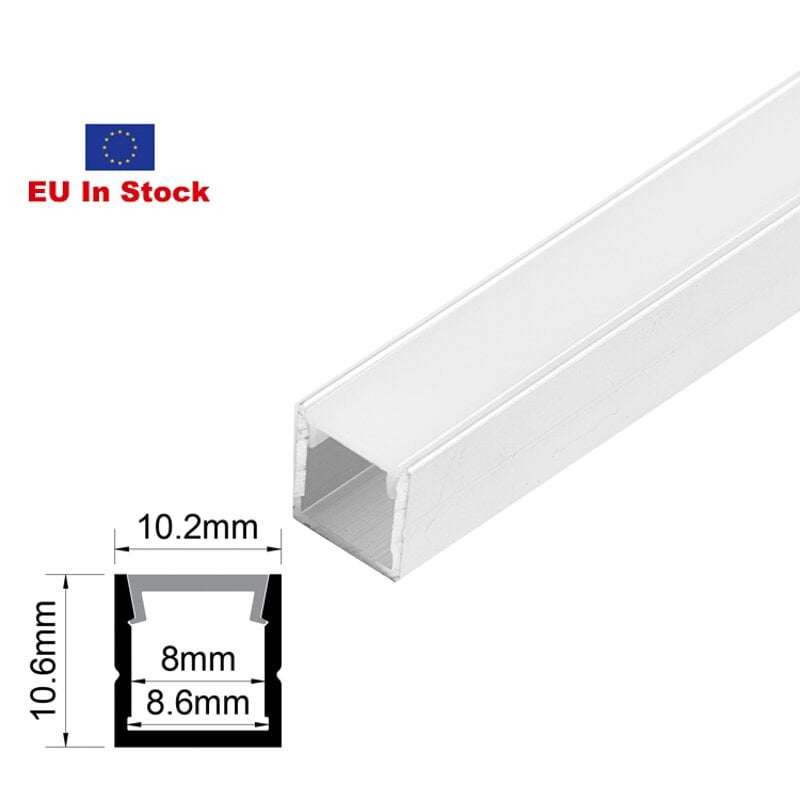
Where you put your lights really affects what kind of LED channels you need. For under bed lighting, go with those slim aluminum housings that have that milky look. They stop harsh glare but still give off that nice soft glow upwards which makes it much easier to find your way around at night without stumbling. When working on headboards, U shaped channels work best because they hide the actual LED strips completely and send light directly onto the walls, creating that warm background feel everyone loves. Cove lighting is different though. These installations need deeper tracks built into the walls so the light spreads evenly across surfaces without any dark spots or shadows forming. According to some recent studies published in the Journal of Illuminating Engineering back in 2023, using these diffused lighting options cuts down eye strain by almost 80% compared to regular strips placed right below beds. That's why getting good diffusion is absolutely essential if someone wants their bedroom to be truly relaxing and comfortable for sleep.
When adding lights to permanent parts of architecture like baseboards or those curved ceiling edges, go with recessed aluminum channels. They sit right against the surface, so nothing sticks out, keeping things looking neat and modern. For decorative stuff though, surface mounted profiles work better. Think about shelves where light can highlight special items or walls where art needs extra attention. These mounts stick on easily with adhesive and come with those snap on covers that spread the light evenly across the space. No harsh spots here, just nice even illumination while still making a statement visually.
Silicone coated flexible aluminum works great for those curved bed frames, rounded alcove designs, or even fancy canopy beds. These materials keep their heat conducting properties intact while they bend nicely into about 45 degree curves. The corners come with special connectors that make those 90 degree turns look completely smooth, so there are no ugly dark patches when lighting hits them. This matters a lot around circular mirrors or those arched headboard styles people love nowadays. Testing in labs shows these flexible options stay consistent in color throughout bends, with only about plus or minus 50K difference. Rigid alternatives tend to create hot spots and weird color changes when bent, which can be pretty noticeable in certain lighting conditions.
The diffuser is your primary tool for shaping light quality and comfort:
Finishes anchor lighting within your interior narrative—not as an afterthought, but as a deliberate design extension:
When it comes to creating comfortable lighting in bedrooms, there are really just two things that matter most: color temperature and how true colors appear. Warm white lights between 2700K and 3000K mimic those beautiful sunset colors we all love, which actually helps our bodies relax and boosts melatonin production naturally. To make sure everything looks good in the room, look for lights with at least a CRI score of 90. This makes skin tones look natural, fabrics show their real colors, and furniture doesn't seem washed out. Studies have shown these better quality lights can cut down on eye strain by around 20%. And don't forget about dimming options either. Good PWM dimming from 1% to 100% lets people adjust brightness based on what they're doing. Low settings work great for winding down before bed, medium ones are perfect for reading, while gradually lowering the light helps signal it's time to fall asleep. Getting the right balance of warm light, accurate color representation, and adjustable brightness creates a lighting environment that supports better moods throughout the home.
The first thing to consider when looking at durability is how well the product handles heat. Aluminum housings are great because they pull heat away from LEDs, which stops those lights from losing brightness over time and makes them last longer. This matters a lot in tight spaces like headboards or cove lighting where heat can build up quickly. When it comes to choosing the right protection level, think about where the light will actually be used. For dry areas inside the house, something like IP20 works fine, maybe under kitchen shelves or behind bedroom headboards. But if there's going to be moisture around, especially near bathrooms or laundry rooms, then IP65 ratings make sense since they resist dampness better. Don't forget to check if everything plays nice together too. Some LED profiles work specifically with PWM drivers to give smooth, quiet dimming across all levels without any annoying flickering, which really matters during late night reading sessions. Getting these basics right means fewer headaches down the road with reliable lighting that lasts years instead of months.
Bedroom lighting is the foundation of comfort and relaxation; no decor choice can compensate for ill-fitting, harsh, or inconsistent illumination. By matching the profile type, diffuser, finish, and color quality to your space and needs, you'll create a calming environment that supports sleep, relaxation, and daily rituals.
For bedroom - ready LED strip profiles supported by Lightwolf's over 30 years of LED expertise, including durable aluminum construction, UL/CE certification, a 3 - 5 year warranty, and global shipping from dual warehouses (Germany & China), partner with a brand that prioritizes both esthetics and performance. Lightwolf's range includes recessed, surface - mounted, flexible, and corner - friendly options, all tailored to residential comfort.
Contact us today for a no - obligation consultation to find the ideal LED strip profile for your bedroom decor, or browse our curated collection to transform your space seamlessly. Don't settle for generic lighting; choose Lightwolf to craft a bedroom ambience that's as functional as it is cozy!

 EN
EN