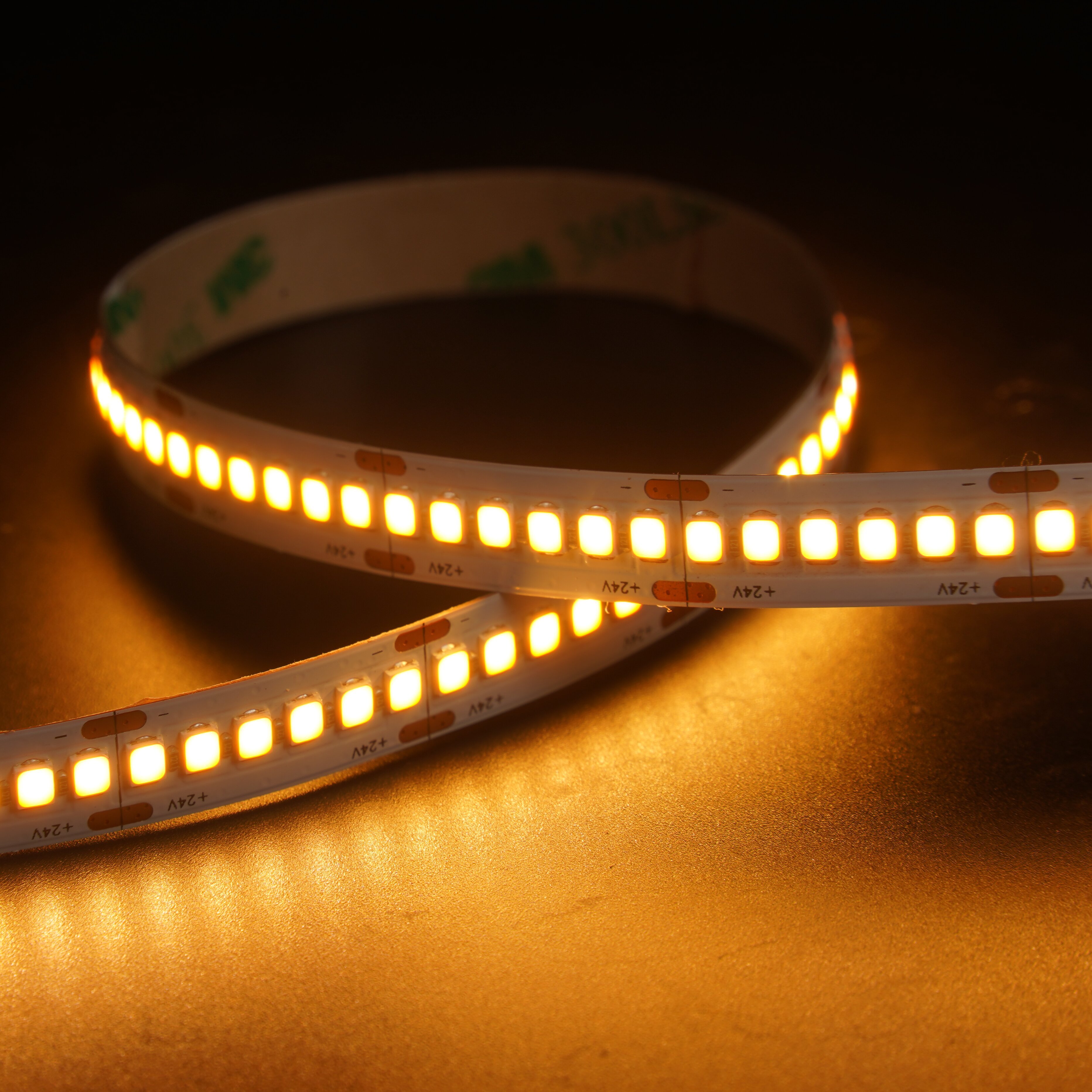
ইনগ্রেস প্রোটেকশন (IP) রেটিং সিস্টেম আমাদের বলে যে, পণ্যগুলি ধূলিকণা ও আর্দ্রতা থেকে কতটা ভালোভাবে রক্ষা পায়, যা বাইরের পরিবেশে ব্যবহৃত LED স্ট্রিপগুলির নির্ভরযোগ্য কার্যকারিতা অর্জনের ক্ষেত্রে অত্যন্ত গুরুত্বপূর্ণ। IP65 রেটেড স্ট্রিপগুলি সমস্ত দিক থেকে আসা নিম্ন-চাপের জল ঝরনা সহ্য করতে পারে, তাই এগুলি ছাদের নীচে বা ছাদের কিনারায় বৃষ্টির ফোঁটা ছড়ানোর মতো স্থানে ভালোভাবে কাজ করে, যেখানে পূর্ণ ডুবে যাওয়া ঘটে না। উদ্যানের বেড, ছোট পুকুর বা কিছু মৌসুমিক সময়ে বন্যার শিকার হওয়া স্থানগুলির জন্য IP67 রেটেড ইউনিটগুলি উপযুক্ত, কারণ এগুলি প্রায় আধা ঘণ্টা ধরে এক মিটার গভীরতা পর্যন্ত সাময়িকভাবে ডুবে থাকতে পারে। তারপরে রয়েছে IP68, যা আরও গভীর স্তরে দীর্ঘ সময় ধরে চলমান ডুবে থাকার বিরুদ্ধে রক্ষা করে, ফলে এগুলি সুইমিং পুলের প্রান্ত, ফাউন্টেন ইনস্টলেশন বা অন্যান্য স্থায়ীভাবে জলের নিচে ব্যবহৃত আলোকসজ্জার জন্য উপযুক্ত। ২০২৫ সালের একটি সাম্প্রতিক শিল্প প্রতিবেদন অনুযায়ী, LED স্ট্রিপস iP67 রেটিংযুক্ত ডিভাইসগুলি উচ্চ আর্দ্রতা পরিবেশে রাখা হলে সঠিক রেটিংবিহীন ডিভাইসগুলির তুলনায় প্রায় ২.৩ গুণ বেশি সময় টিকে থাকে। এটি শো করে যে, বহিরঙ্গন আলোকসজ্জা ব্যবস্থার আয়ু বাড়ানোর জন্য সঠিক IP রেটিং নির্বাচন করা কতটা গুরুত্বপূর্ণ।
সব উচ্চ-IP রেটিং বাইরে ইনস্টল করলেই সেরা কাজ করে না। আমরা এমন কয়েকটি ক্ষেত্রে দেখেছি যেখানে সম্পূর্ণ সিল করা IP68 এনক্লোজারগুলি বিশেষ করে উচ্চ আর্দ্রতা সম্পন্ন অঞ্চলগুলিতে ভিতরে আর্দ্রতা সংগ্রহ করে। দিনের বেলা তাপমাত্রা পরিবর্তনের সময় এই আটকে থাকা আর্দ্রতা হাউজিংয়ের ভিতরে ঘনীভূত হয়ে কনডেনসেশনে পরিণত হয়। কিছু ফিল্ড টেস্ট নির্দেশ করে যে, এই আর্দ্রতা জমাট হওয়া ক্ষয়কে ত্বরান্বিত করে এবং সম্পূর্ণ সিল না করা IP65 মডেলগুলির তুলনায় সরঞ্জামের আয়ু প্রায় ৩০-৪০% কমিয়ে দেয়। উদাহরণস্বরূপ, প্যাটিওর নীচের ছায়াযুক্ত স্থানগুলি, ঘন গাছের আচ্ছাদনের পিছনে বা ভবনের উত্তর দিকের স্থানগুলি নিন। এই স্থানগুলিতে, শ্বাস-নেওয়াযোগ্য IP65 উপকরণগুলি সাধারণত ভালো কাজ করে কারণ এগুলি বৃষ্টির জল ও ছিটকে পড়া জলের বিরুদ্ধে সুরক্ষা বজায় রেখে কিছু বাষ্প বের হতে দেয়। স্থানের উপর নির্ভর না করে সর্বোচ্চ সম্ভব রেটিংয়ের প্রতি ঝোঁক না দেখিয়ে, বরং নির্দিষ্ট ইনস্টলেশন সাইটের সাথে সময়ের সাথে যা কিছু ঘটে তার সাথে সুরক্ষা স্তরটি মেলানো বেশি যুক্তিসঙ্গত।
জলরোধী LED স্ট্রিপগুলি পথ এবং বাগানের চারপাশে ভালো আলোকবিন্যাস প্রদান করে যা বিদ্যুৎ খরচ কমিয়ে রাখে। এই স্ট্রিপগুলি সহজেই বাঁকানো যায়, তাই এগুলি বক্ররেখা বরাবর, ধারণকারী দেয়াল বরাবর বা অসমতল ভূমির সাথে মানিয়ে নিতে পারে। আলাদা আলোকস্তম্ভ ব্যবহার করার সময় যে অদৃশ্য বাধা বা অন্ধকার অঞ্চলে হাঁটার ঝুঁকি থাকে, তা এখন আর হয় না। অধিকাংশ মডেল প্রতি মিটারে মাত্র ৫ থেকে ৭ ওয়াট বিদ্যুৎ ব্যবহার করে, যা পুরনো ধরনের পথ আলোকস্তম্ভের তুলনায় অনেক কম শক্তি ব্যবহার করে। যারা এই স্ট্রিপগুলি স্থাপন করেন, তারা প্রায়শই দেখেন যে তাদের বহিরঙ্গন স্থানগুলি রাতে আরও সুন্দর দেখায় এবং বিদ্যুৎ বিলও কম হয়।
এই পদ্ধতিটি প্রাকৃতিক ভূদৃশ্যের সৌন্দর্যকে ক্ষুণ্ণ না করেই নিরাপদ ও সমানভাবে চলাচলের নিশ্চয়তা প্রদান করে।
জলরোধী LED স্ট্রিপগুলি শুধুমাত্র আর্দ্র অঞ্চলে নিরাপত্তা বজায় রাখে না—এগুলি আসলে তাদের সূক্ষ্ম স্থাপত্য আলোক প্রভাবের মাধ্যমে বহিরঙ্গন স্থানগুলিকে রূপান্তরিত করে। সিঁড়ির নীচে বা ডেকের রেলিংয়ের বরাবর স্থাপন করলে এই আলোগুলি একটি মৃদু দীপ্তি সৃষ্টি করে যা সীমানা উজ্জ্বল করে এবং ছোট প্যাটিওগুলিকে তাদের আসল আকারের চেয়ে বড় অনুভূতি দেয়। সন্ধ্যার সময় আরামদায়ক সমাবেশের জন্য এই ধরনের আলোকব্যবস্থা অত্যন্ত কার্যকর। আবার, যখন এগুলি পারগোলার বীমগুলিতে লাগানো হয়, তখন আলো গাছের ডালপালার মধ্য দিয়ে রাতে চাঁদের আলো যেভাবে ফিল্টার হয়ে নেমে আসে, ঠিক সেই রকম সুন্দর নকশা তৈরি করে। এই আলোগুলি থেকে সর্বোত্তম ফলাফল পেতে চান? তাহলে এদের কোথায় স্থাপন করা হবে তা যত্ন সহকারে পরিকল্পনা করুন, যাতে এগুলি দীর্ঘস্থায়ী হয় এবং একইসাথে শক্তিশালী দৃশ্যমান প্রভাব ফেলে।
সঠিকভাবে ইনস্টল করা IP67+ স্ট্রিপগুলি মৌসুমি আর্দ্রতা পরিবর্তনের মধ্যেও সুস্থির কার্যকারিতা বজায় রাখে—আকৃতি এবং কার্যকারিতাকে নির্বিঘ্নে একীভূত করে।
বাইরের জন্য নির্মিত LED স্ট্রিপগুলি সঠিকভাবে লাগানো হয় কিনা তা মূলত নির্ভর করে এটি কোন ধরনের পৃষ্ঠতলে লাগানো হচ্ছে এবং সেই পৃষ্ঠতলটি কতটা ভালোভাবে প্রস্তুত করা হয়েছে তার উপর। চিকন ও অনিমজ্য (নন-পোরাস) ধাতব পৃষ্ঠতলগুলি আঠালো পিছনযুক্ত স্ট্রিপ ব্যবহার করার সময় সর্বোত্তম ফলাফল দেয়। এছাড়া, এই ধাতুগুলি আসলে তাপ বিসরণে সাহায্য করে, যা সময়ের সাথে সাথে তাপীয় চাপ কমিয়ে দেয়। কাঠ, পাথর বা ইটের মতো সম্প্রসারণশীল (পোরাস) পৃষ্ঠতলের ক্ষেত্রে যান্ত্রিক সমর্থন প্রয়োজন হয়। অধিকাংশ ইনস্টলার অ্যালুমিনিয়াম মাউন্টিং চ্যানেল বা স্টেইনলেস স্টিলের ক্লিপ ব্যবহার করেন, কারণ এই উপাদানগুলি আর্দ্রতা পরিবর্তন বা হিমায়ন-বিগলন চক্রের সম্মুখীন হলেও স্থায়ীভাবে স্থাপিত থাকে। কম্পোজিট ডেকগুলিকেও বিশেষ মনোযোগ দিয়ে প্রস্তুত করতে হয়। প্রথমে এগুলিকে ভালোভাবে পরিষ্কার করুন, পৃষ্ঠের তেল বা গ্রিজ সম্পূর্ণরূপে অপসারণ করুন, তারপর আর্দ্রতা শোষণকারী প্রাইমার প্রয়োগ করুন এবং শেষে শিল্প-মানের অ্যাক্রিলিক টেপ লাগান। যেসব অঞ্চলে বাতাসের প্রভাব বেশি, সেখানে সাধারণ 3M VHB টেপের উপর নির্ভর না করে সর্বদা মাউন্টিং ব্র্যাকেট ব্যবহার করুন। অভিজ্ঞতা থেকে জানা যায়, বাইরে ইনস্টল করার পর এই টেপটি ধাতু নয় এমন পৃষ্ঠতলে ১২ থেকে ১৮ মাসের মধ্যে আঠালো শক্তি হারাতে শুরু করে।
শুরু থেকেই ভালো বৈদ্যুতিক সংযোগ নিশ্চিত করা এই বাইরের LED স্ট্রিপগুলির আয়ু কতটা হবে তা নির্ধারণ করে। তারগুলির যেখানে সংযোগ হয়, সেখানে জল প্রবেশ রোধ করতে শুধুমাত্র রাবার গ্যাস্কেটের উপর নির্ভর না করে সিলিকন জেল সিলিংযুক্ত উপযুক্ত IP68 রেটেড জলরোধী কানেক্টর ব্যবহার করা আবশ্যিক। পাওয়ার সাপ্লাই ইউনিট এবং ড্রাইভারগুলি নিজেদের জন্য NEMA 3R অথবা IP65 মানের উপযুক্ত ভেন্টিলেটেড বক্সে স্থাপন করা হওয়া উচিত। এই বক্সগুলি ভিজে মাটির উপরে এবং সরাসরি সূর্যের আলোর ক্ষতিকর প্রভাব থেকে দূরে রাখা আবশ্যিক। দীর্ঘ ইনস্টলেশনের ক্ষেত্রে, ১২-ভোল্ট সিস্টেমের জন্য প্রায় ৫ মিটার এবং ২৪-ভোল্ট সেটআপের জন্য প্রায় ২০ মিটার পরে প্যারালাল ওয়্যারিং প্রয়োজন হয়, যাতে আলোর শেষ প্রান্তে ম্লান হওয়ার এই বিরক্তিকর সমস্যাটি এড়ানো যায়। খুব দীর্ঘ দূরত্বের জন্য ১৮-গেজ স্ট্র্যান্ডেড তামা তার ব্যবহার করা সবচেয়ে ভালো এবং বিদ্যুৎ প্রবেশ বিন্দুর কাছাকাছি ইনলাইন ফিউজ স্থাপন করা ভোল্টেজ সার্জ থেকে রক্ষা করতে সাহায্য করে। বছরে একবার সংযোগ বিন্দুগুলি, গ্রাউন্ডিং স্থানগুলি পরীক্ষা করা এবং ড্রাইভার এনক্লোজারগুলিতে বাতাস প্রবাহিত হওয়া নিশ্চিত করা—এই সমস্ত কাজ ইলেকট্রিশিয়ানদের নিয়মিত পরীক্ষায় যা দেখা যায় তার ভিত্তিতে প্রায় দুই-তৃতীয়াংশ সময় ক্ষয়ক্ষতি জনিত সমস্যা কমিয়ে দেয়।
শুধুমাত্র ভালো IP রেটিং থাকা মানে এই নয় যে সরঞ্জামগুলি বাইরে চিরকাল টিকে থাকবে। আসলে, UV রশ্মির প্রকাশ এবং ধ্রুব তাপমাত্রা পরিবর্তনের মতো বিষয়গুলি পণ্যগুলির বাইরে কতদিন টিকবে তা নির্ধারণ করে—এটি তাদের জলরোধী বৈশিষ্ট্যের চেয়ে অনেক বেশি প্রভাবিত করে। সূর্যের আলোর সংস্পর্শে আসলে সুরক্ষা ছাড়াই সিলিকন কোটিং এবং আঠা দ্রুত ক্ষয়প্রাপ্ত হতে শুরু করে, যা প্রায় ১২ থেকে ১৮ মাসের মধ্যে সূর্যের সম্পূর্ণ আলোয় স্থাপন করলে হলুদ হয়ে যায় এবং ভঙ্গুর হয়ে ওঠে। একই সময়ে, সাধারণ তাপমাত্রা উত্থান-পতনগুলি পদার্থগুলিকে পুনরাবৃত্তিমূলকভাবে প্রসারিত ও সংকুচিত করে, যা সোল্ডার সংযোগগুলির উপর চাপ সৃষ্টি করে এবং শেষ পর্যন্ত মুদ্রিত সার্কিট বোর্ডগুলিকে তাদের ভিত্তি থেকে আলাদা করে দেয়। প্রকৃত ব্যবহারের সংখ্যা বিশ্লেষণ করলে দেখা যায়, তিন বছর পর UV স্থিতিশীলকারী দ্বারা চিকিত্সিত LED স্ট্রিপগুলি তাদের মূল উজ্জ্বলতার প্রায় ৯০% ধরে রাখে, অন্যদিকে সাধারণগুলি শুধুমাত্র প্রায় ৬০% ধরে রাখে। প্রতিদিন ১৫ ডিগ্রি সেলসিয়াসের বেশি তাপমাত্রা পার্থক্যের সম্মুখীন হওয়া পণ্যগুলি দ্বিতীয় বছরে প্রায় ৩০% বেশি ব্যর্থতার শিকার হয়, যা স্পষ্টভাবে দেখায় যে বাইরের জন্য উপযুক্ত টেকসইতা নিশ্চিত করতে শুধুমাত্র IP রেটিংয়ের উপর নির্ভর করা যথেষ্ট নয়।
প্যাটিও এবং বাগানে ৫+ বছরের নির্ভরযোগ্য কার্যকারিতার জন্য নিম্নলিখিতগুলির প্রাধান্য দিন:
এই একীভূত পদ্ধতি—যা প্রবেশ রোধ, উপাদান বিজ্ঞান এবং ইনস্টলেশন অনুশাসনের মধ্যে ভারসাম্য বজায় রাখে—সেখানেই সত্যিকারের টেকসইতা প্রদান করে যেখানে তা সবচেয়ে বেশি প্রয়োজন।
 EN
EN